
A Taste of Poland: Traditional Polish Food and the Culinary Treasures of Warsaw
Polish cuisine is a wonderful reflection of the country's history, traditions and culture. It is hearty, comforting and full of flavour, with recipes passed down through generations. Influenced by neighbouring countries, changing borders and centuries of cultural exchange, Polish food has developed a distinctive identity of its own.
From steaming bowls of sour rye soup and delicious dumplings to crispy potato pancakes, rich meat dishes and delicate poppy-seed cakes, traditional Polish cuisine offers something for everyone.
And while many Polish dishes can be found throughout the country, Warsaw has a few culinary specialities of its own. The capital's food culture combines traditional Mazovian cooking, old-fashioned street food, Jewish culinary influences and a modern restaurant scene that gives classic recipes a new lease of life.
Whether you are visiting Poland for the first time or simply want to explore its culinary heritage, here is a guide to some of the best traditional Polish dishes – both savoury and sweet – as well as a few Warsaw specialities you should not miss.
1. Traditional Polish savoury dishes
Pierogi – Poland's most famous dumplings
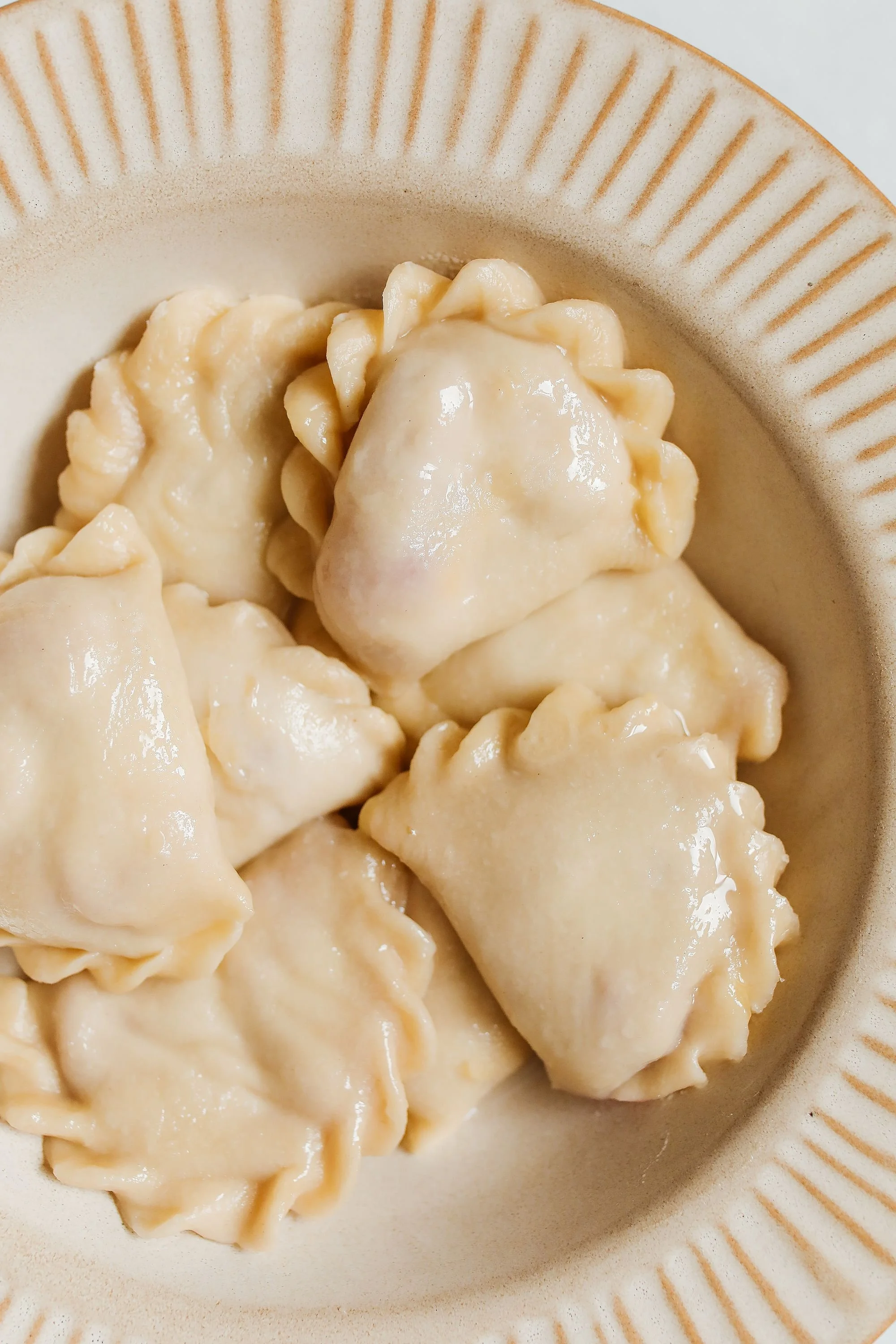
It is almost impossible to talk about Polish food without mentioning pierogi. These little dumplings, made from soft dough and filled with a variety of ingredients, are probably the country's best-known culinary export.
Some of the most popular varieties include:
Pierogi ruskie: Filled with potatoes, twaróg (Polish cottage cheese) and fried onions. Despite the name, they are traditionally associated with the former Polish eastern territories, not modern Russia.
Pierogi z mięsem: Filled with minced or finely chopped meat.
Pierogi z kapustą i grzybami: Filled with sauerkraut and mushrooms, particularly popular during Christmas.
Pierogi z serem: Sweet dumplings filled with sweetened Polish cottage cheese.
Pierogi can be boiled or fried in butter until golden and crispy. They are often served with sour cream, fried onions or crispy bacon.
Where to try them: Look for a traditional bar mleczny (milk bar) or a restaurant specialising in homemade pierogi.
Żurek – traditional Polish sour rye soup
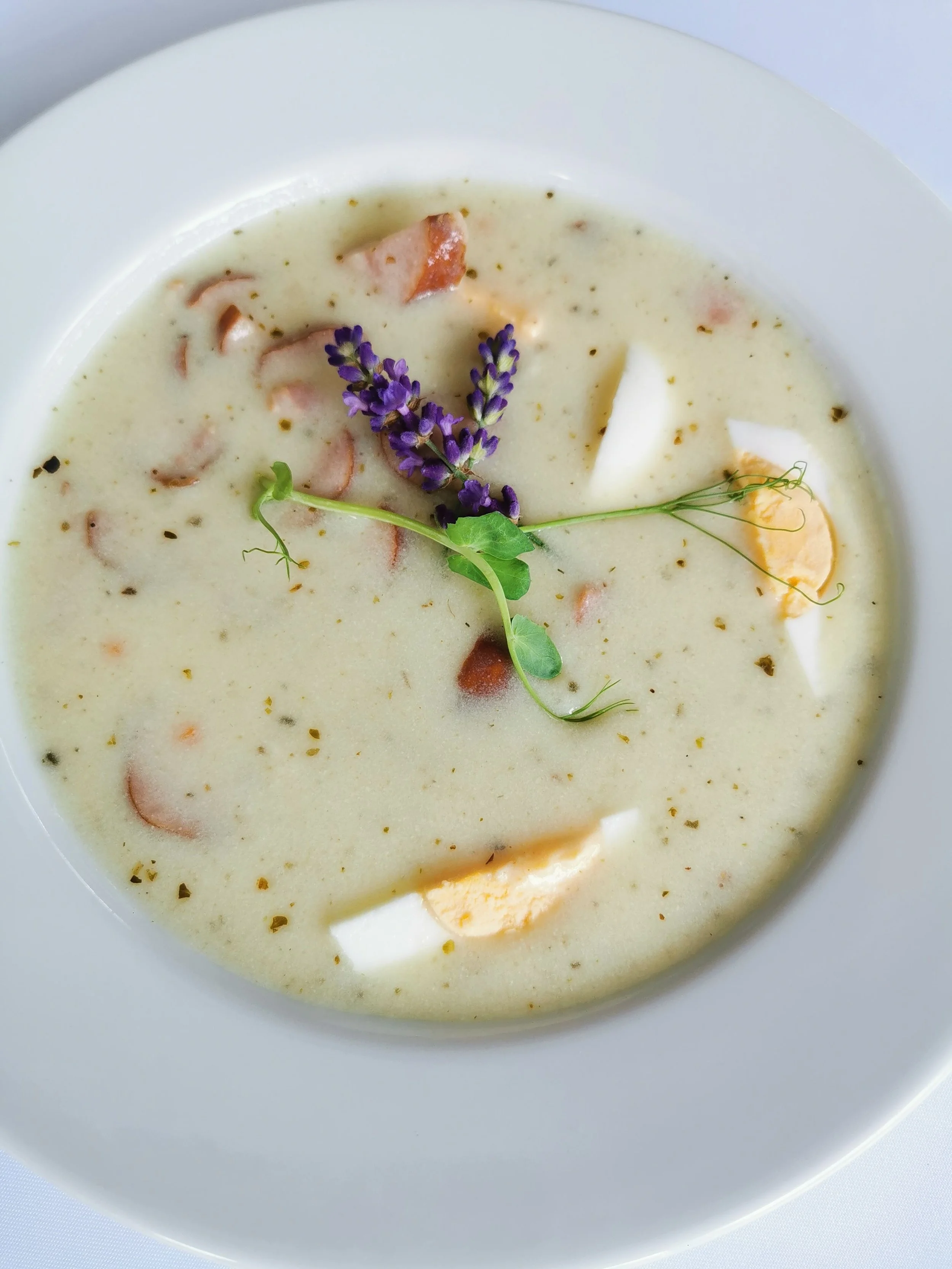
Żurek is one of Poland's most distinctive soups. Its characteristic sour flavour comes from fermented rye flour, which gives it a pleasantly tangy taste.
The soup is usually prepared with white sausage (biała kiełbasa), smoked meat, garlic, marjoram and potatoes. A hard-boiled egg is often added just before serving.
In some restaurants, żurek arrives in a hollowed-out loaf of bread, making it as impressive to look at as it is satisfying to eat.
It is particularly associated with Easter celebrations, although it is enjoyed throughout the year.
Bigos – the famous Polish hunter's stew
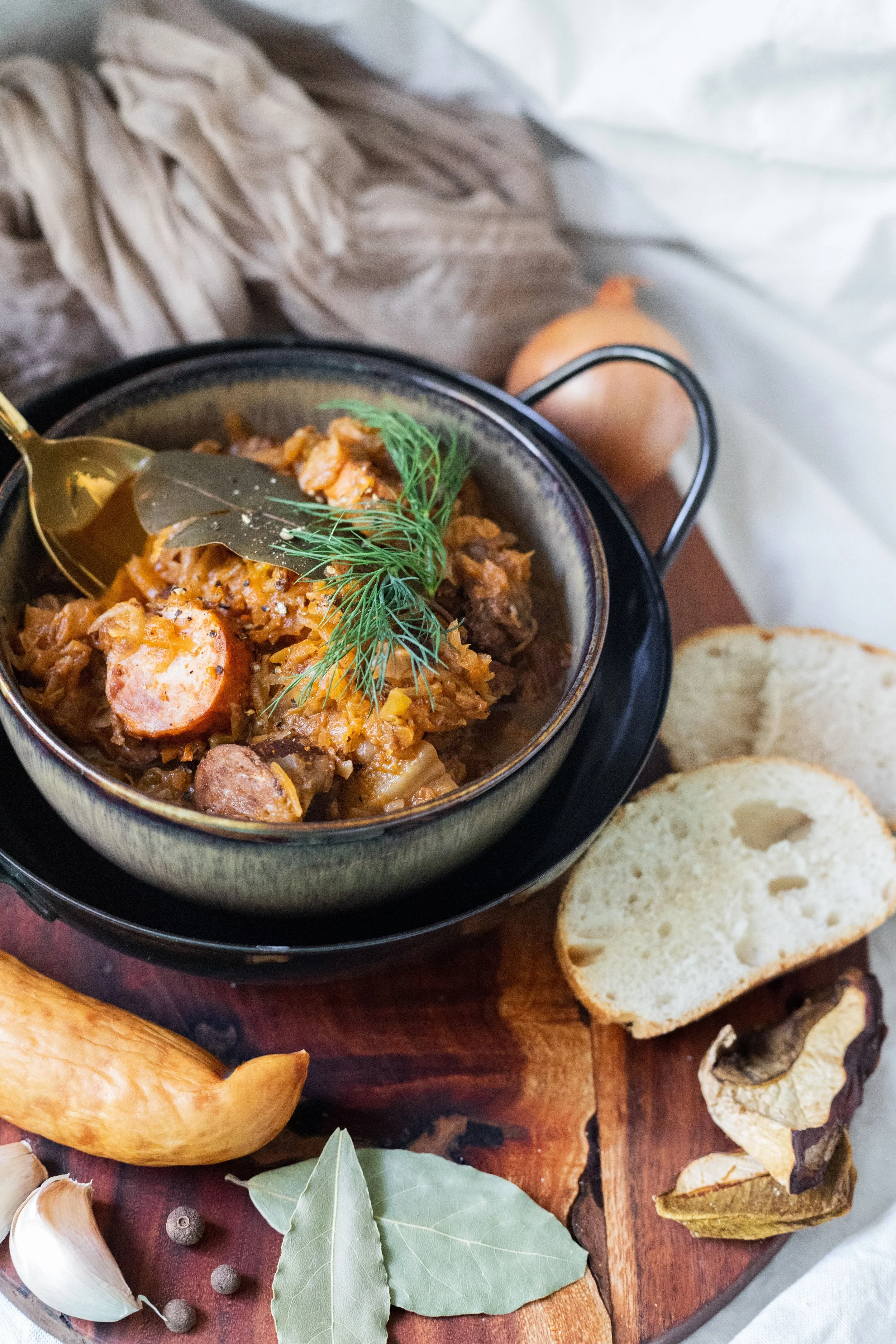
Often called Polish hunter's stew, bigos is a rich, slow-cooked dish made primarily from sauerkraut, fresh cabbage and different types of meat.
Depending on the recipe, it may contain pork, beef, sausage, bacon, mushrooms, dried plums and spices. Some cooks also add a little red wine.
Bigos is traditionally prepared in large quantities and reheated over several days. Many people believe that its flavour improves with time.
It is especially popular during winter, when a warming bowl of this hearty stew is particularly welcome.
Gołąbki – cabbage rolls
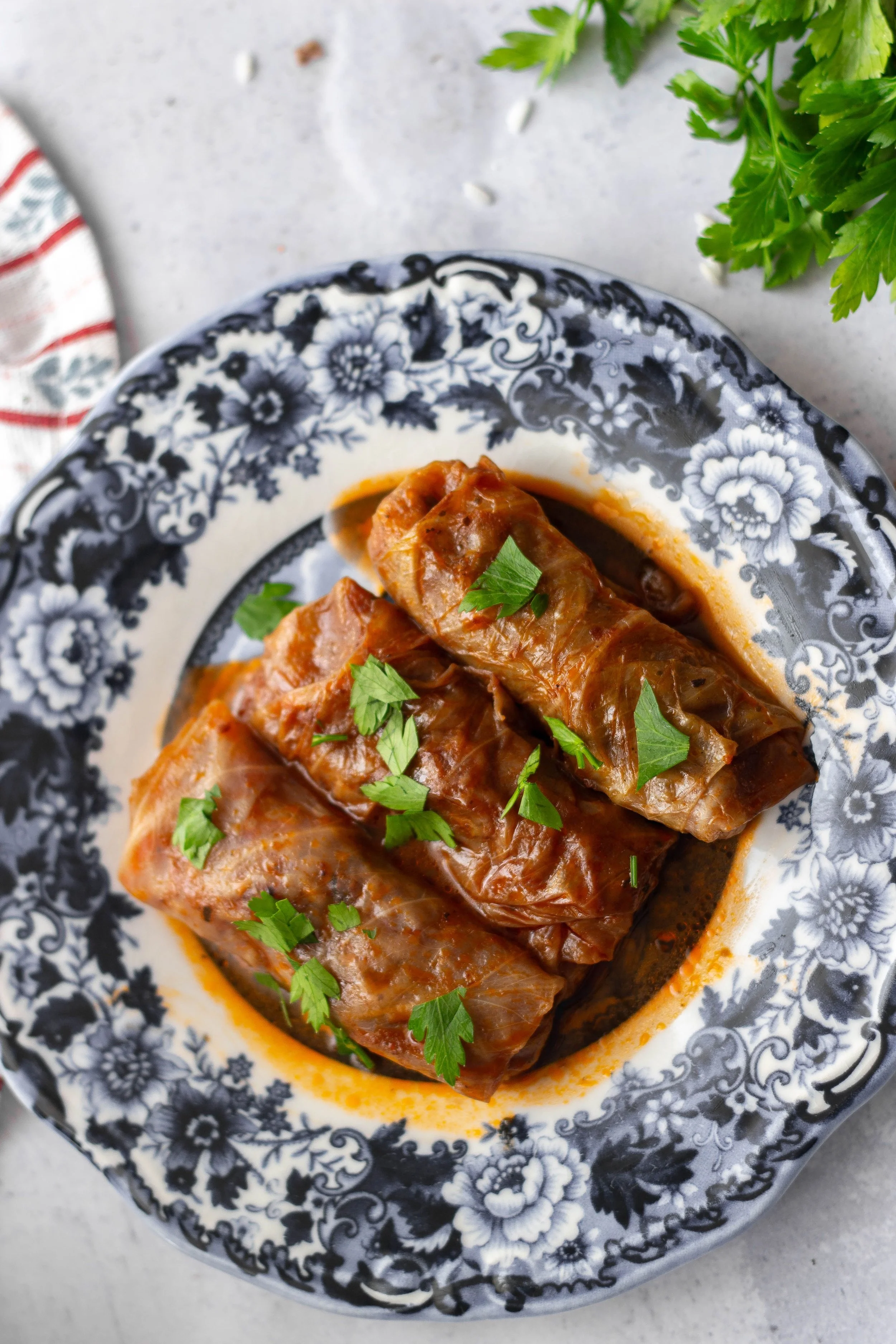
Gołąbki are cabbage leaves stuffed with a mixture of minced meat and rice or buckwheat. They are gently cooked and usually served with tomato or mushroom sauce.
The name literally translates as "little pigeons", although there is no pigeon involved!
This is classic Polish home cooking, and many families have their own versions of the recipe.
Kotlet schabowy – Polish pork cutlet
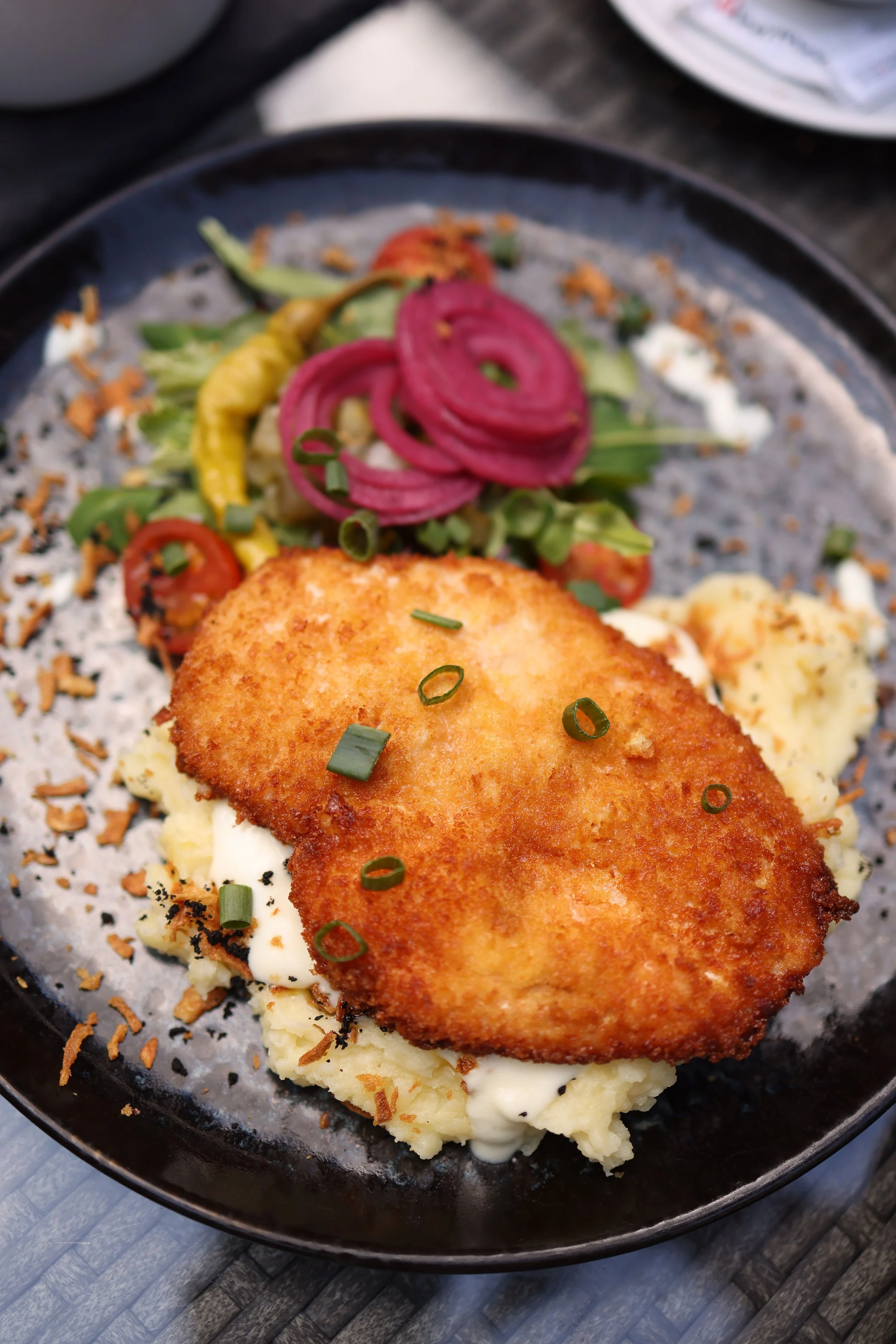
A close relative of the Austrian Wiener Schnitzel, kotlet schabowy is a breaded pork cutlet, traditionally pounded thin, coated in flour, egg and breadcrumbs, and fried until golden.
It is usually served with boiled potatoes, mashed potatoes or potato salad, alongside a fresh cucumber salad called mizeria.
It is one of the most beloved Sunday lunch dishes in Poland and a must-try for anyone who enjoys traditional comfort food.
Placki ziemniaczane – Polish potato pancakes
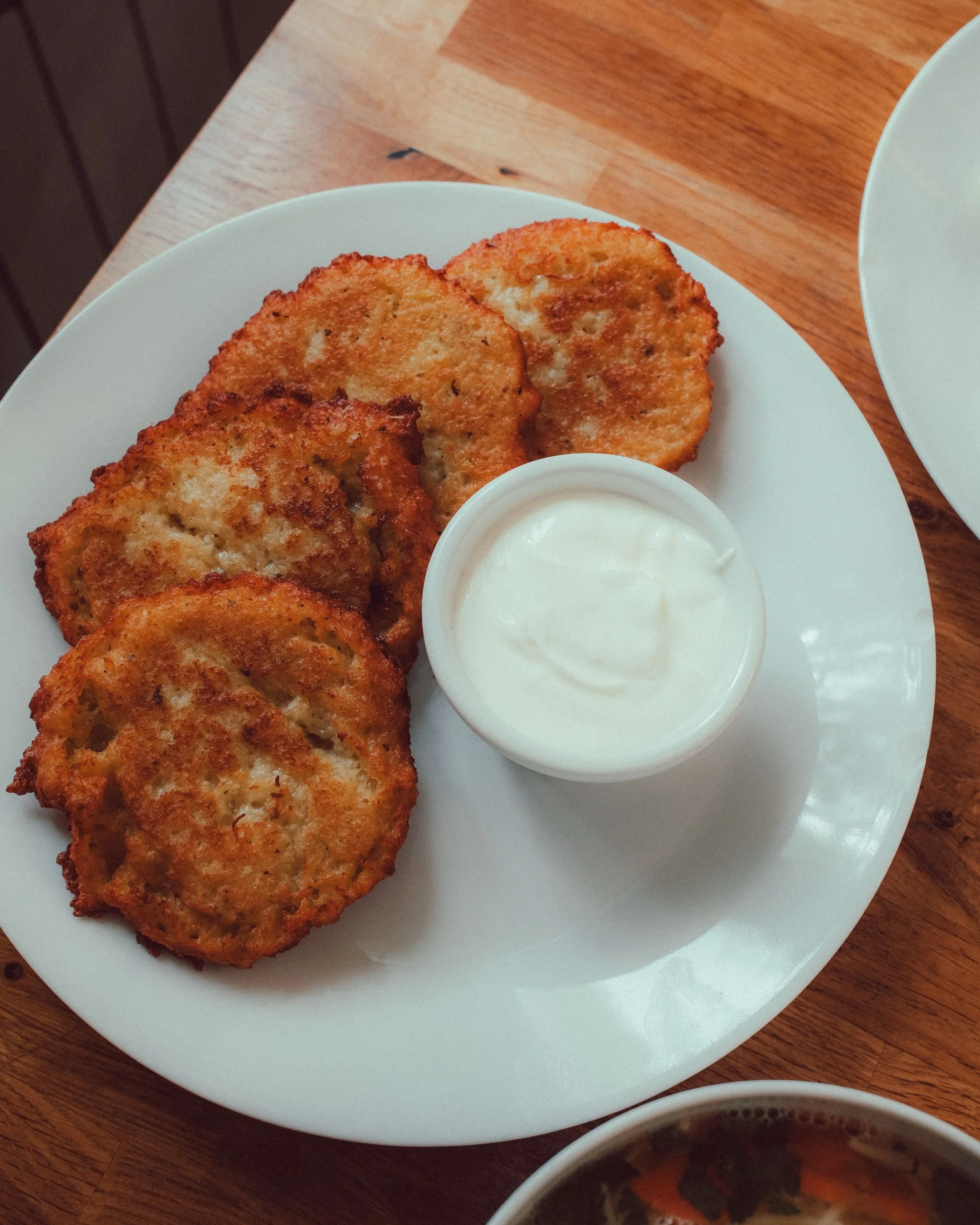
These crispy pancakes are made from grated potatoes, onion, egg and flour, then fried until golden.
They can be served simply with sour cream and sugar, although savoury versions are also popular. One particularly filling variation is placki po węgiersku, potato pancakes topped with a rich meat and pepper sauce.
Kiełbasa – Polish sausage
Poland has a long tradition of sausage-making, and kiełbasa comes in many varieties. Some are smoked, others dried, boiled or grilled.
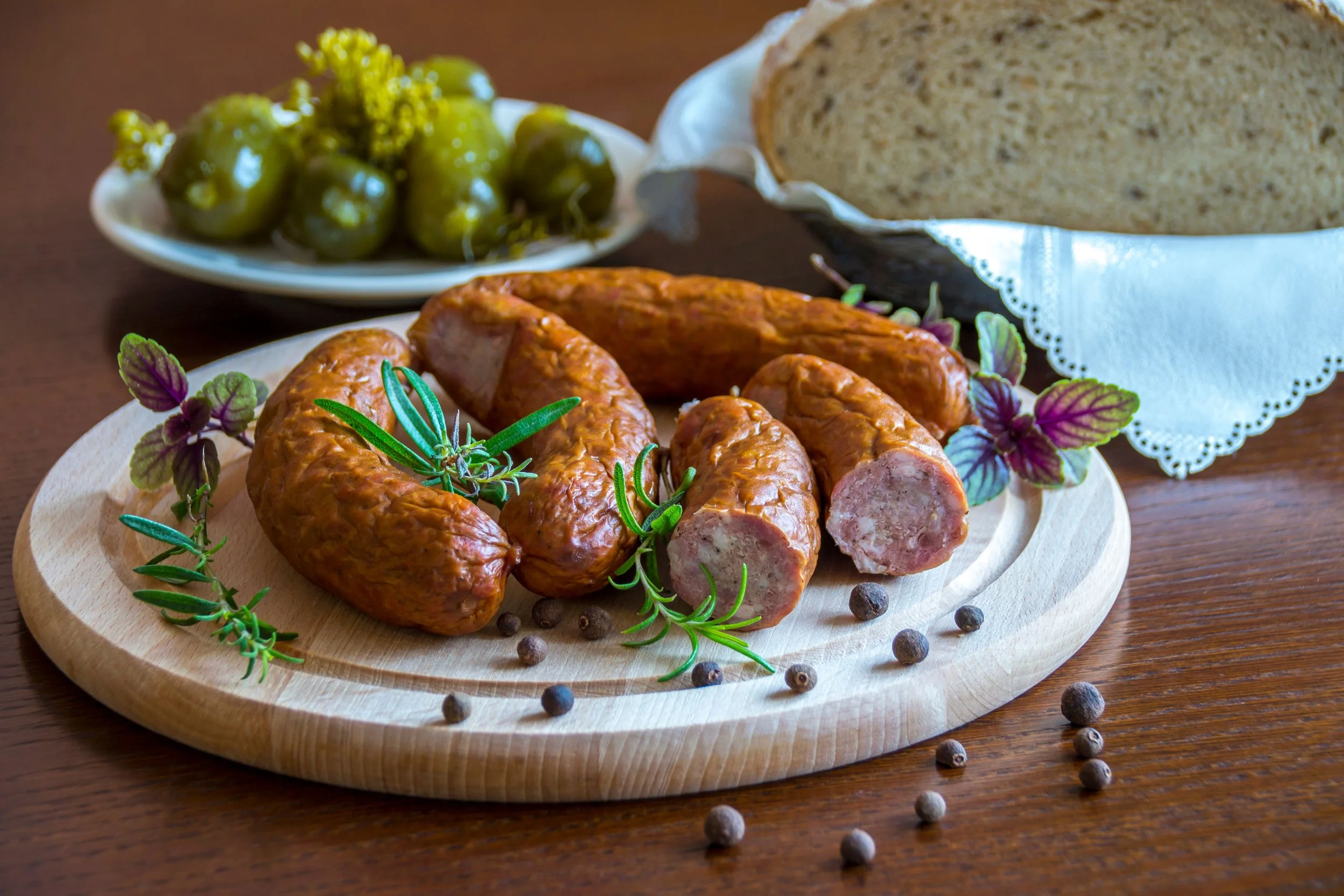
Popular types include:
Kiełbasa wiejska: Rustic country-style sausage.
Kiełbasa krakowska: A well-known, often smoked sausage associated with Kraków.
Kiełbasa myśliwska: A dried, smoked hunter's sausage.
Biała kiełbasa: Fresh white sausage, traditionally served with żurek.
A simple grilled sausage with mustard and a slice of bread is a classic Polish street-food experience or often eaten at family barbecues in the summer.
2. Traditional Polish sweet dishes and desserts
Poland has a particularly lovely tradition of homemade cakes, pastries and sweet treats. Many are associated with family celebrations, religious holidays and seasonal festivities.
Pączki – traditional Polish doughnuts
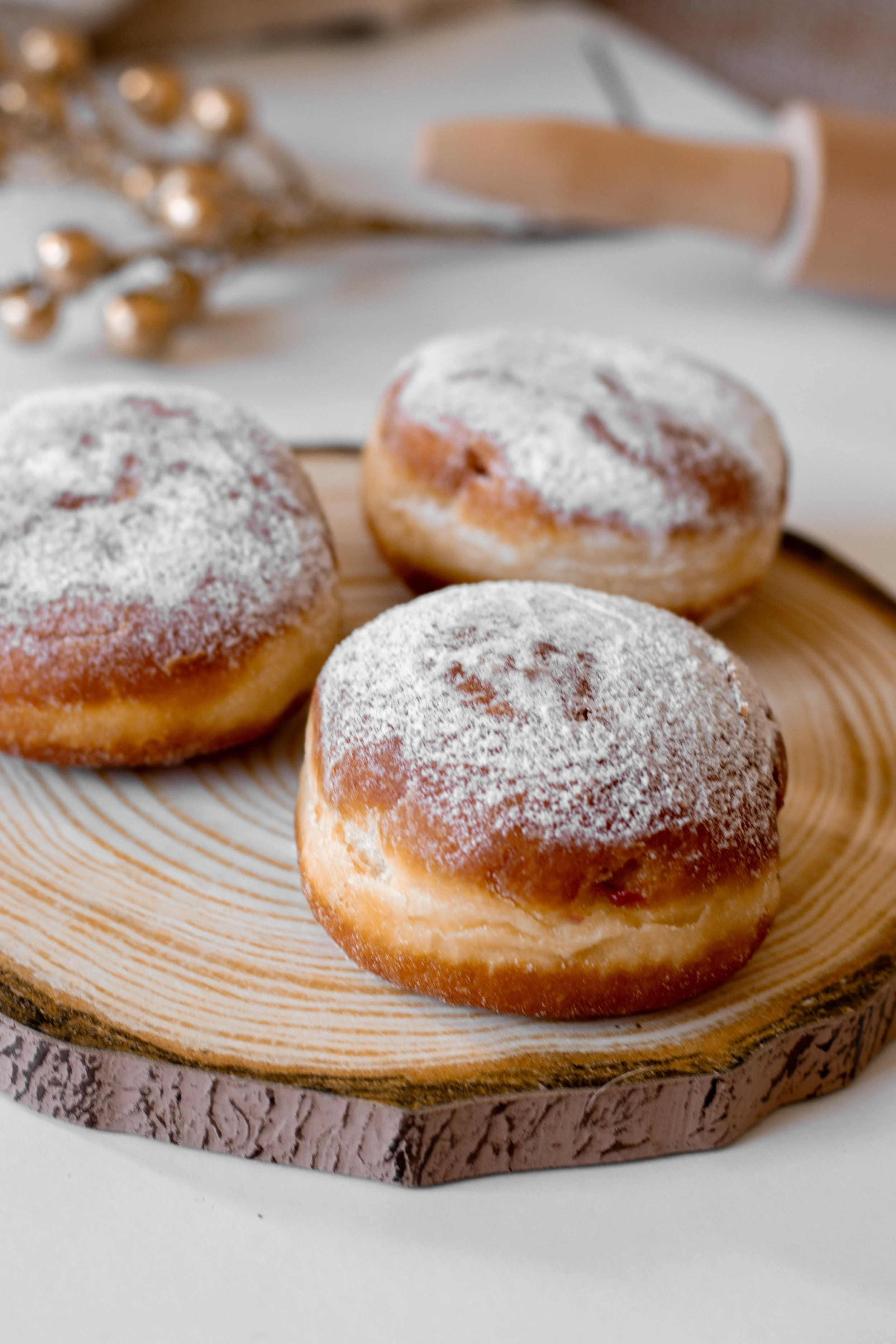
Pączki are probably Poland's most famous sweet treat. These soft, rich, deep-fried doughnuts are traditionally filled with rose-petal jam, although plum jam, custard and other fillings are also common.
They are usually covered with icing sugar or a sweet glaze and sometimes decorated with candied orange peel.
Pączki are especially popular on Tłusty Czwartek (Fat Thursday), the Polish equivalent of a day dedicated to indulging before Lent. On this day, bakeries across the country sell enormous quantities of doughnuts, and queues can stretch outside the doors.
A little tip: If you are in Warsaw, try a traditional pączek from a well-established local bakery rather than a supermarket version.
Sernik – Polish cheesecake
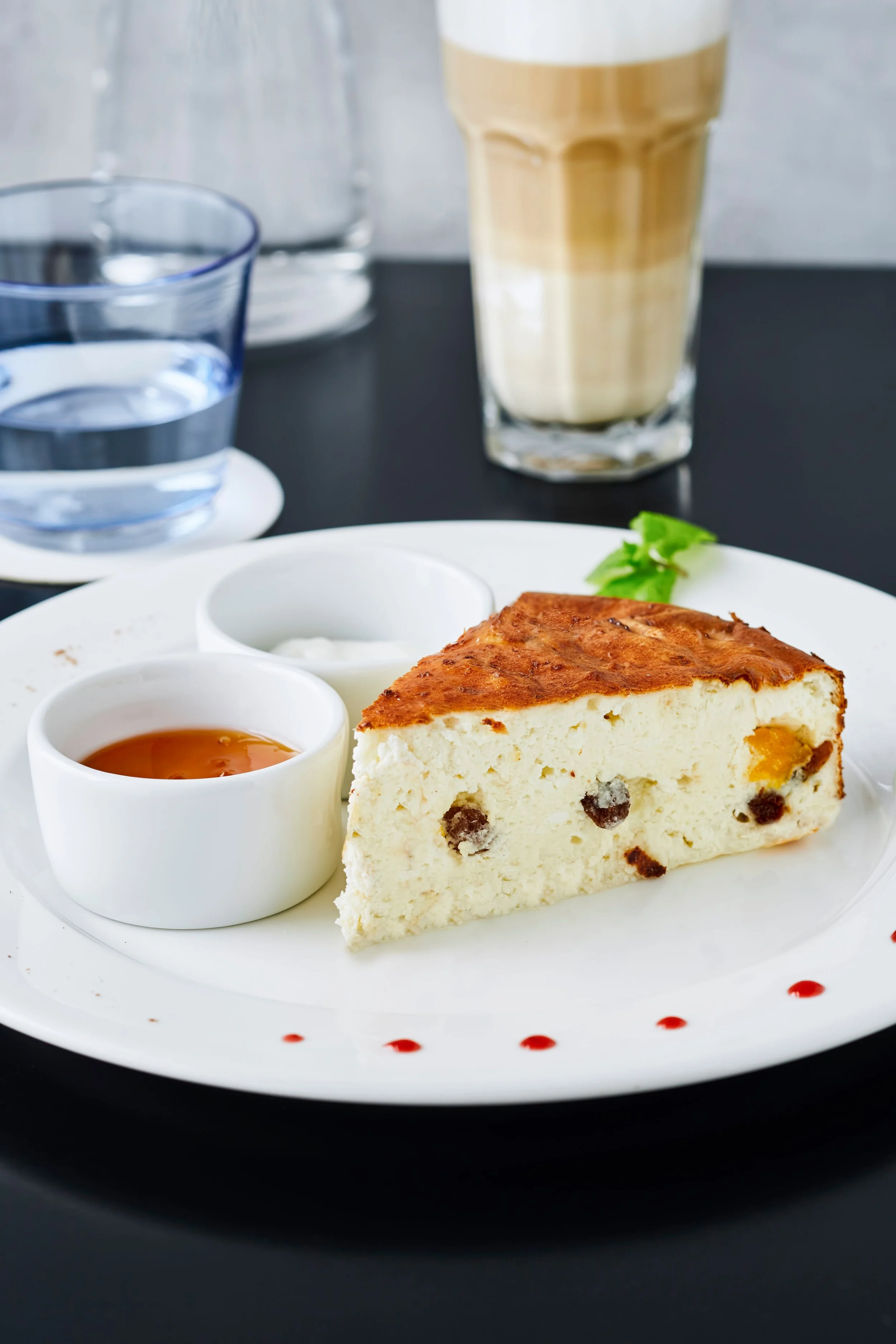
Polish cheesecake is made primarily with twaróg, a fresh, slightly tangy Polish curd cheese. It has a different texture and flavour from the cream-cheese cheesecakes popular in the United States.
There are many variations: some have raisins, others a chocolate glaze, a biscuit base or a crumbly pastry topping. One popular version is sernik krakowski, which traditionally features a lattice pastry top.
It is a staple at Christmas, Easter and family gatherings.
Makowiec – poppy-seed cake
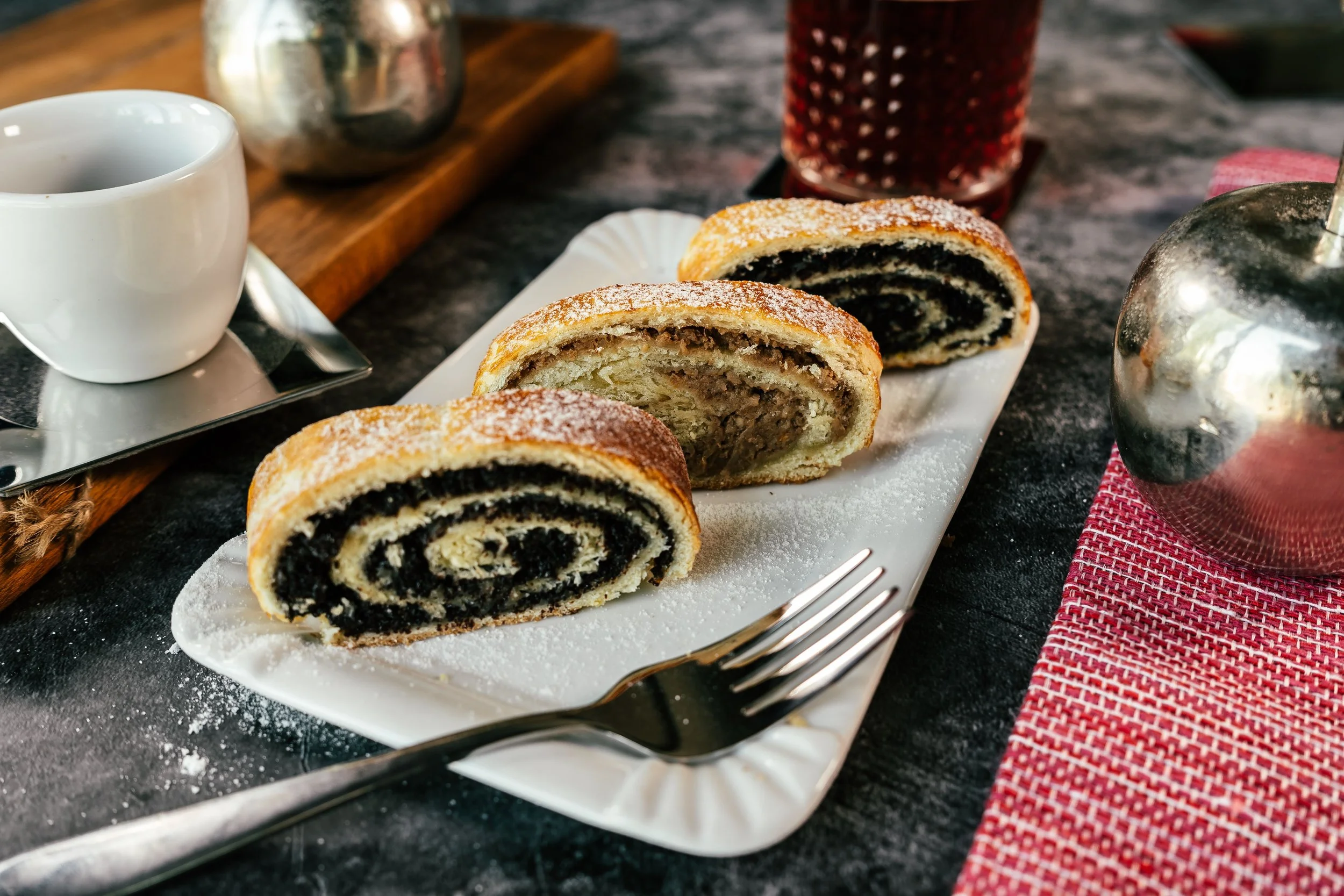
Makowiec is a traditional rolled cake filled with a generous amount of sweetened ground poppy seeds, often mixed with honey, raisins, nuts and candied orange peel.
It is usually covered with a thin layer of icing and sometimes decorated with orange zest.
Poppy seeds have a long history in Polish festive cooking, and makowiec is particularly associated with Christmas and Easter.
Szarlotka – Polish apple cake
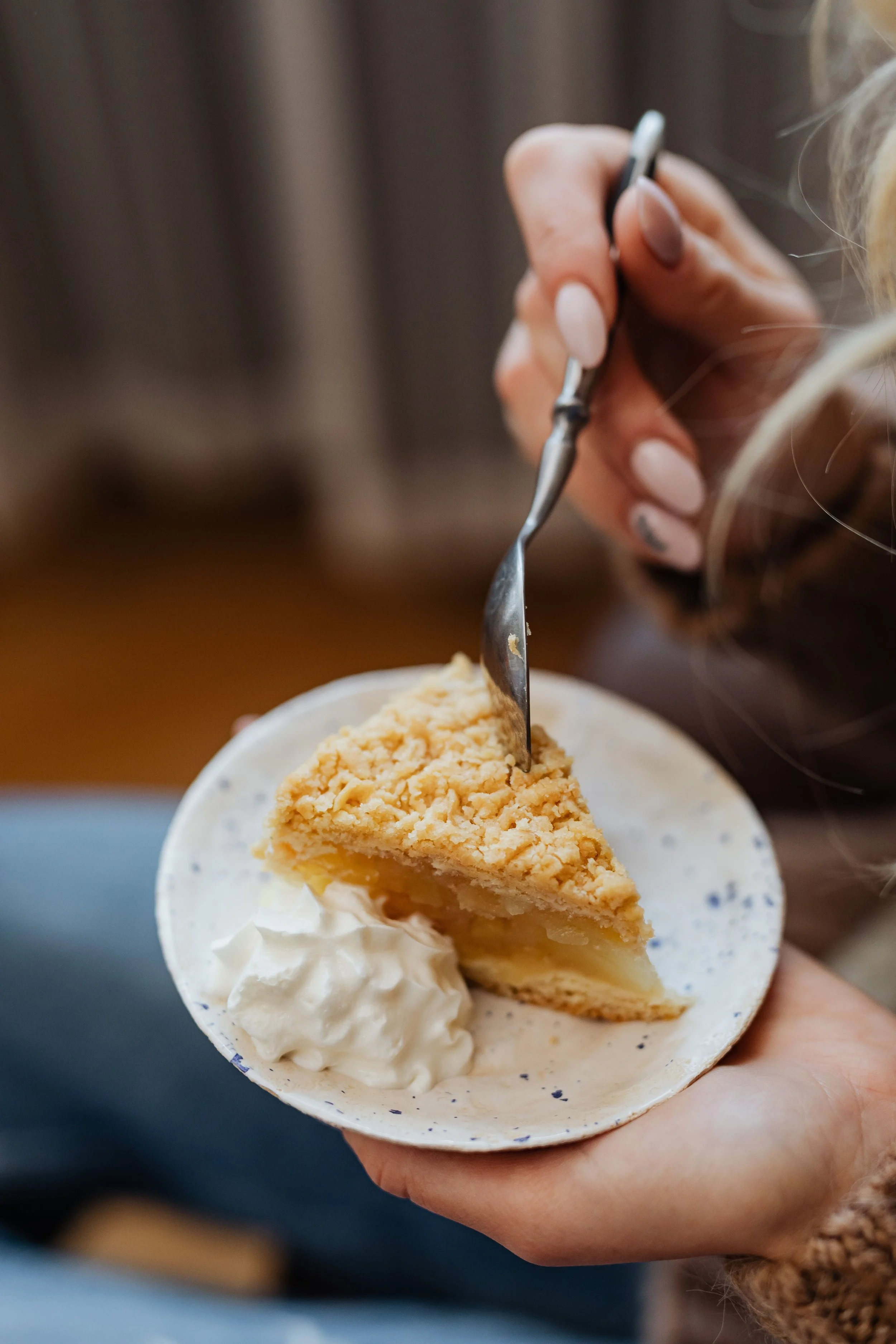
Poland is famous for its apples, so it is hardly surprising that apple cake is one of its most popular desserts.
Szarlotka is made with a buttery pastry base and a generous layer of cooked apples, usually flavoured with cinnamon. It is often served warm with a scoop of vanilla ice cream or a little whipped cream.
It is the perfect dessert for anyone who enjoys simple, comforting homemade baking.
Faworki – angel wings
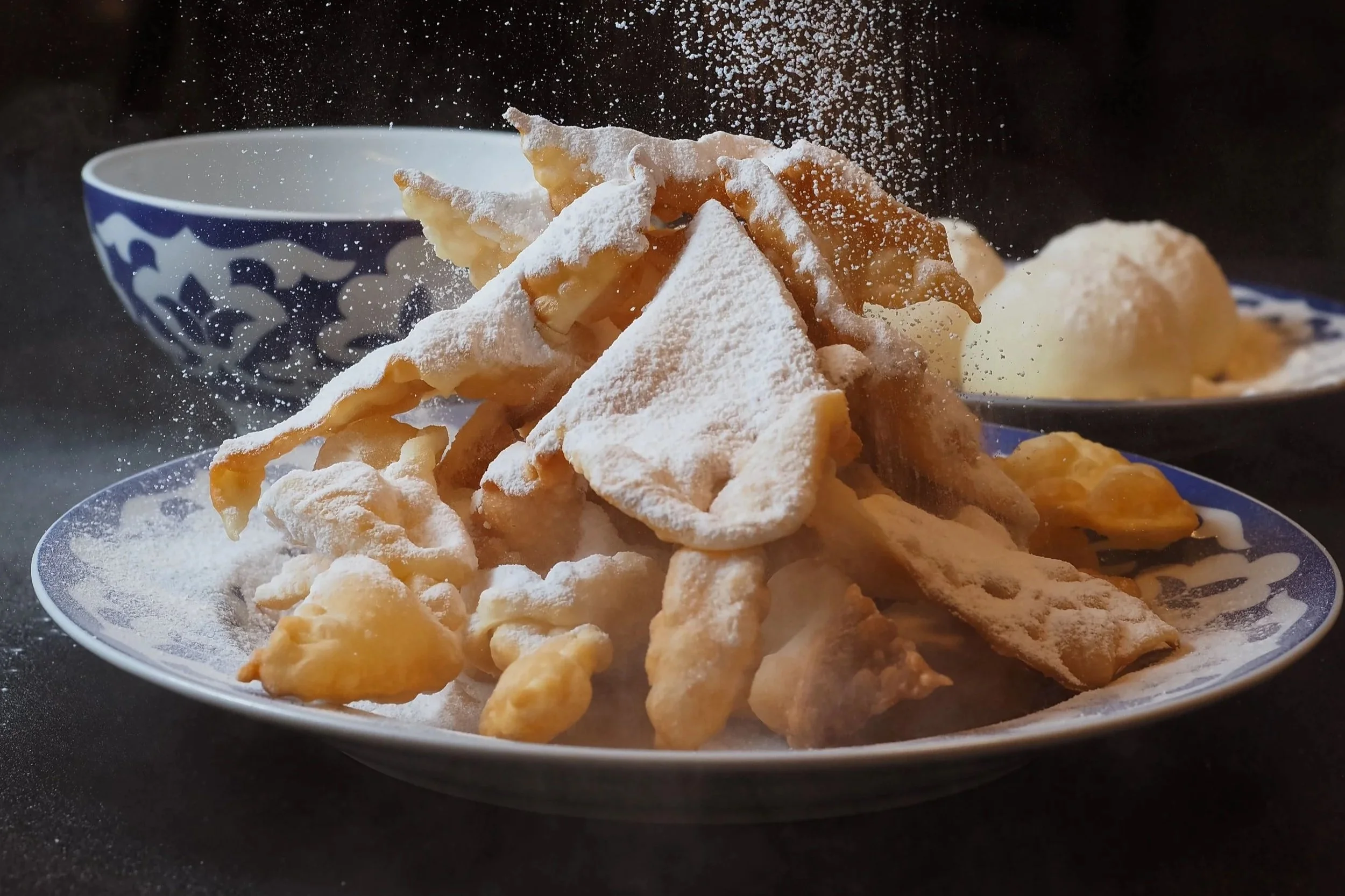
Faworki, also known as chrust, are delicate strips of pastry twisted into ribbon-like shapes and deep-fried until light and crispy.
They are dusted with icing sugar and traditionally eaten during the carnival season, especially on Fat Thursday and the days leading up to Lent.
Unlike pączki, which are soft and fluffy, faworki are wonderfully crunchy and almost melt in your mouth.
Kremówka – Polish cream cake
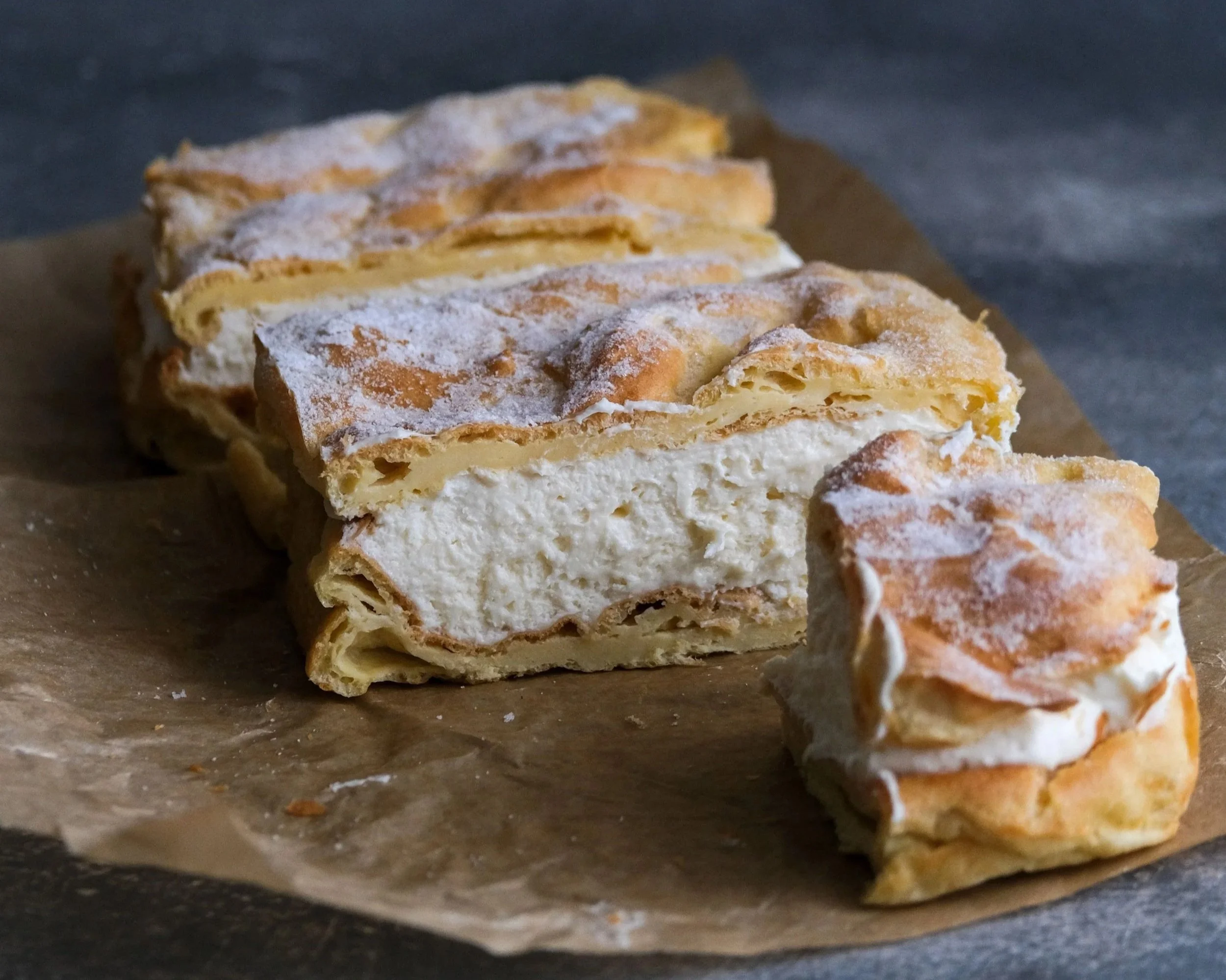
Kremówka is a delicious layered cake made from crisp puff pastry filled with thick vanilla cream or custard.
It is sometimes called kremówka papieska (the Pope's cream cake), because Pope John Paul II famously mentioned enjoying this dessert during his youth in Wadowice.
Although it originates outside Warsaw, it is widely available in Polish bakeries and cafés.
3. Warsaw specialities: dishes and treats you should not miss
Although many traditional Polish dishes are shared across different regions, Warsaw has its own culinary identity. Its food culture was shaped by the traditions of Mazovia, the city's pre-war multicultural population, its Jewish heritage and the everyday eating habits of generations of Varsovians.
Here are some particularly interesting Warsaw specialities.
Pyzy po warszawsku – Warsaw-style potato dumplings
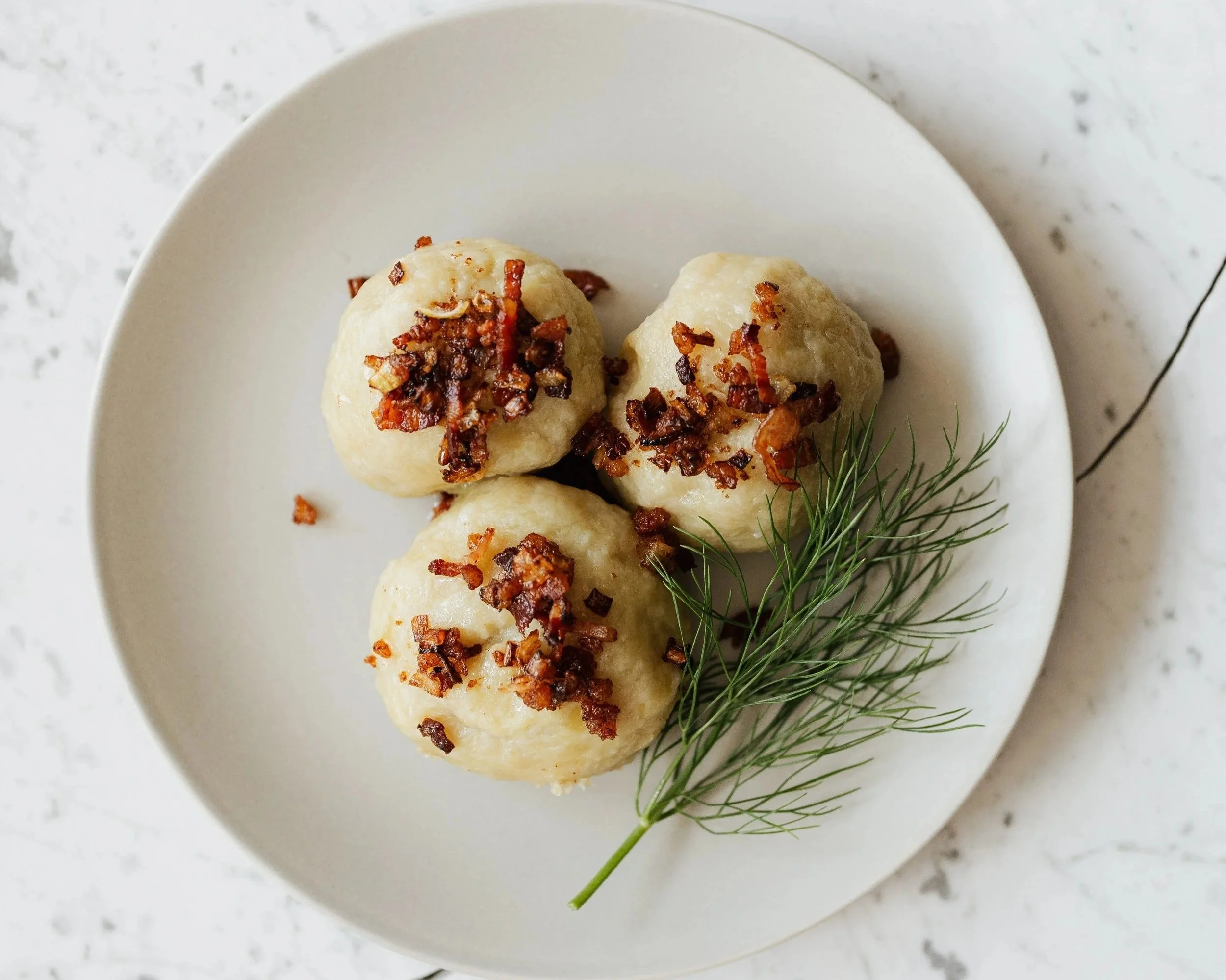
One of the most interesting local specialities is pyzy po warszawsku.
These are soft, round potato dumplings, often filled with meat and served with crispy bacon (skwarki) and fried onions. They are particularly associated with the Praga district, on the eastern side of the Vistula River.
Historically, pyzy were a popular, affordable street food sold around the famous Różycki Bazaar in Praga. They were often served in glass jars, making them easy to carry and eat.
Today, this unusual serving tradition has become part of Warsaw's culinary heritage.
Flaki po warszawsku – Warsaw-style tripe soup
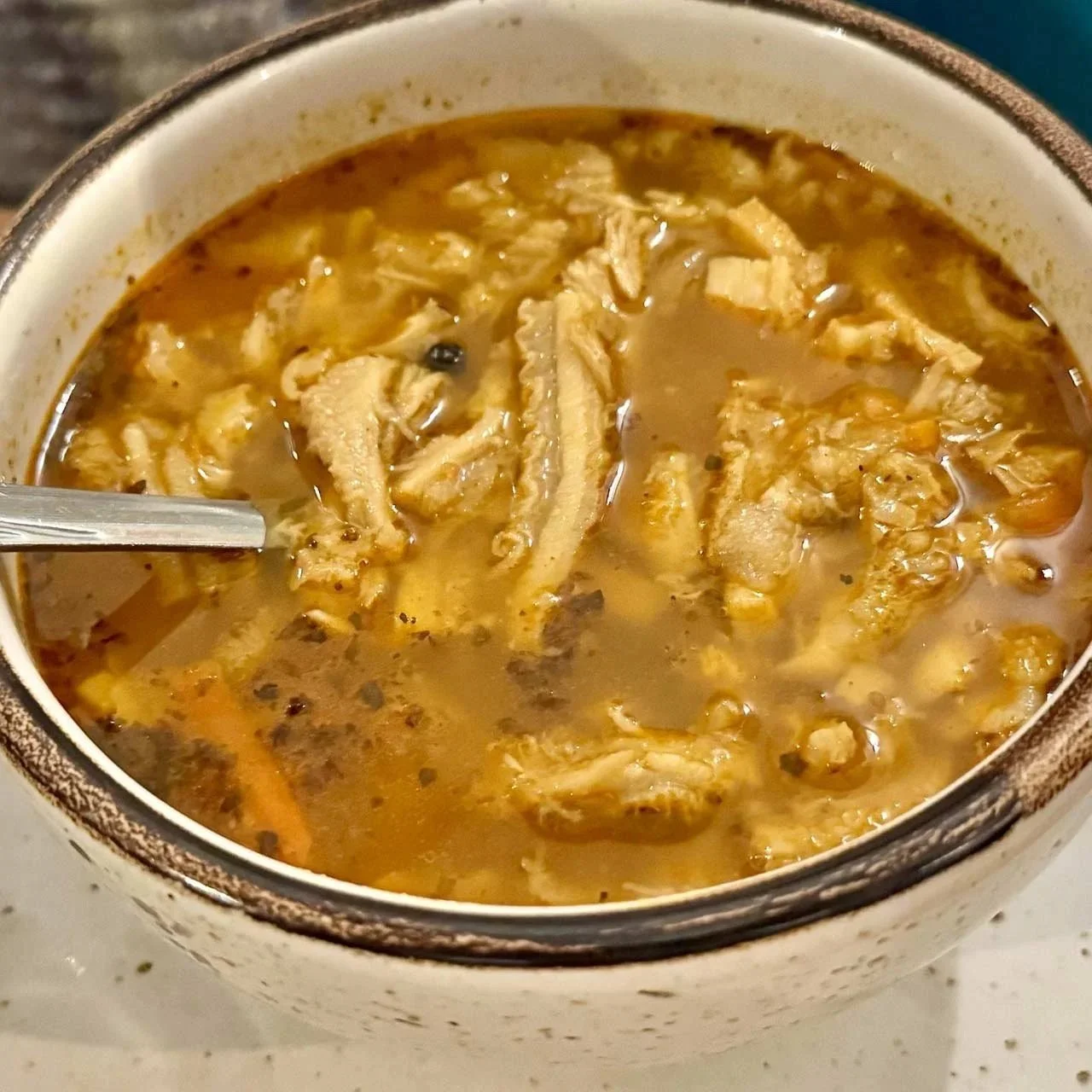
Flaki is a traditional Polish tripe soup, but Warsaw has its own distinctive version.
Flaki po warszawsku is typically made with thin strips of beef tripe, vegetables, marjoram and spices. Some traditional Warsaw preparations also include small meatballs and grated cheese.
It is a dish with a long history and is particularly associated with traditional restaurants and the old food stalls of Praga.
It may not be everyone's first choice, but for adventurous food lovers, it is an interesting way to discover the city's culinary past.
Wuzetka – Warsaw's famous chocolate cake
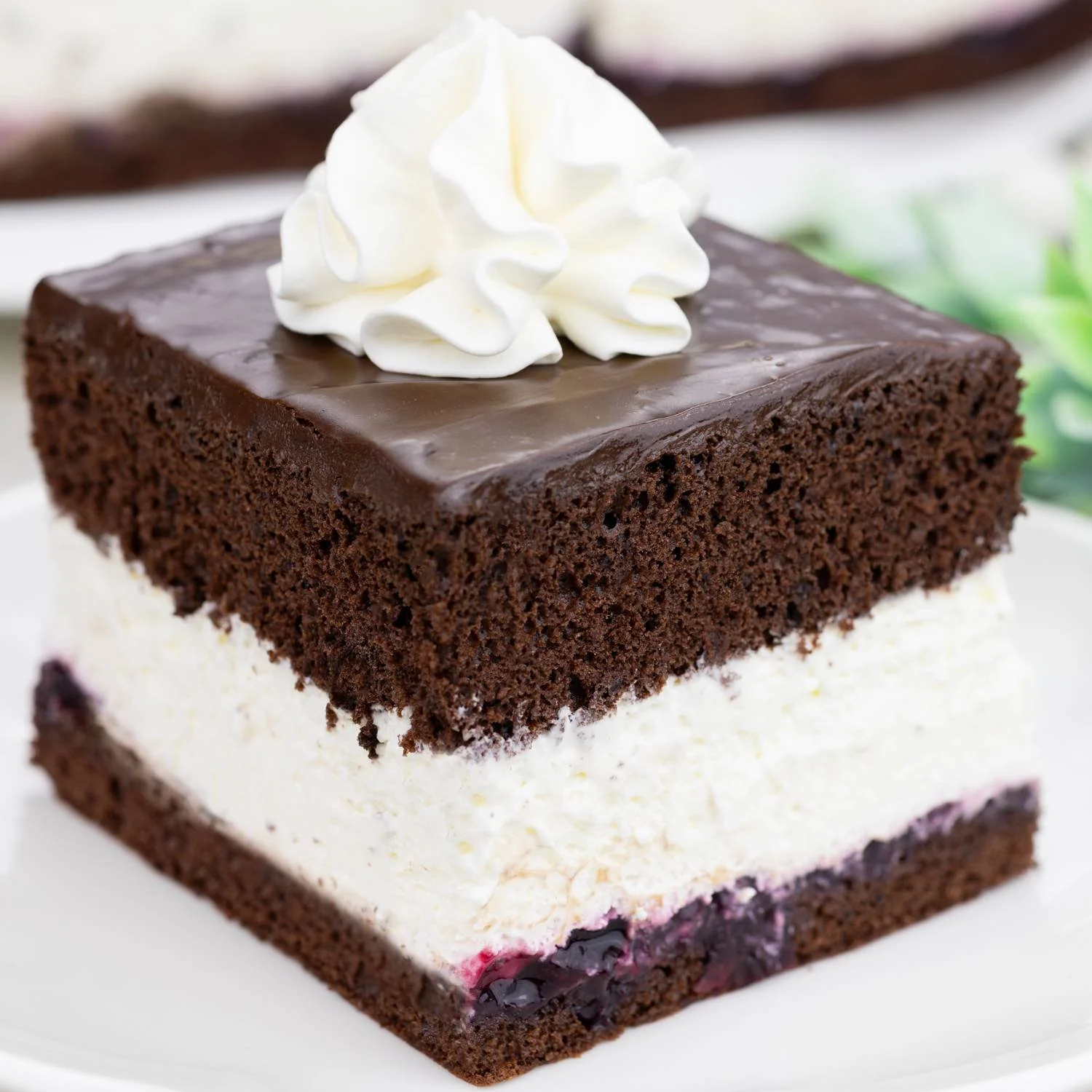
If there is one dessert that deserves special attention in Warsaw, it is the Wuzetka (W-Z).
This famous chocolate cake consists of two layers of dark cocoa sponge filled with whipped cream, usually topped with chocolate icing and a little cream decoration.
Its name is believed to be connected with Warsaw's W-Z route (Trasa W-Z), the major east-west transport route opened in 1949. The exact origins of the name are sometimes debated, but the cake became a recognisable feature of Warsaw's post-war café culture.
Wuzetka is more than just a chocolate cake – it is a little piece of Warsaw's history.
Zygmuntówka – a cake created for Warsaw
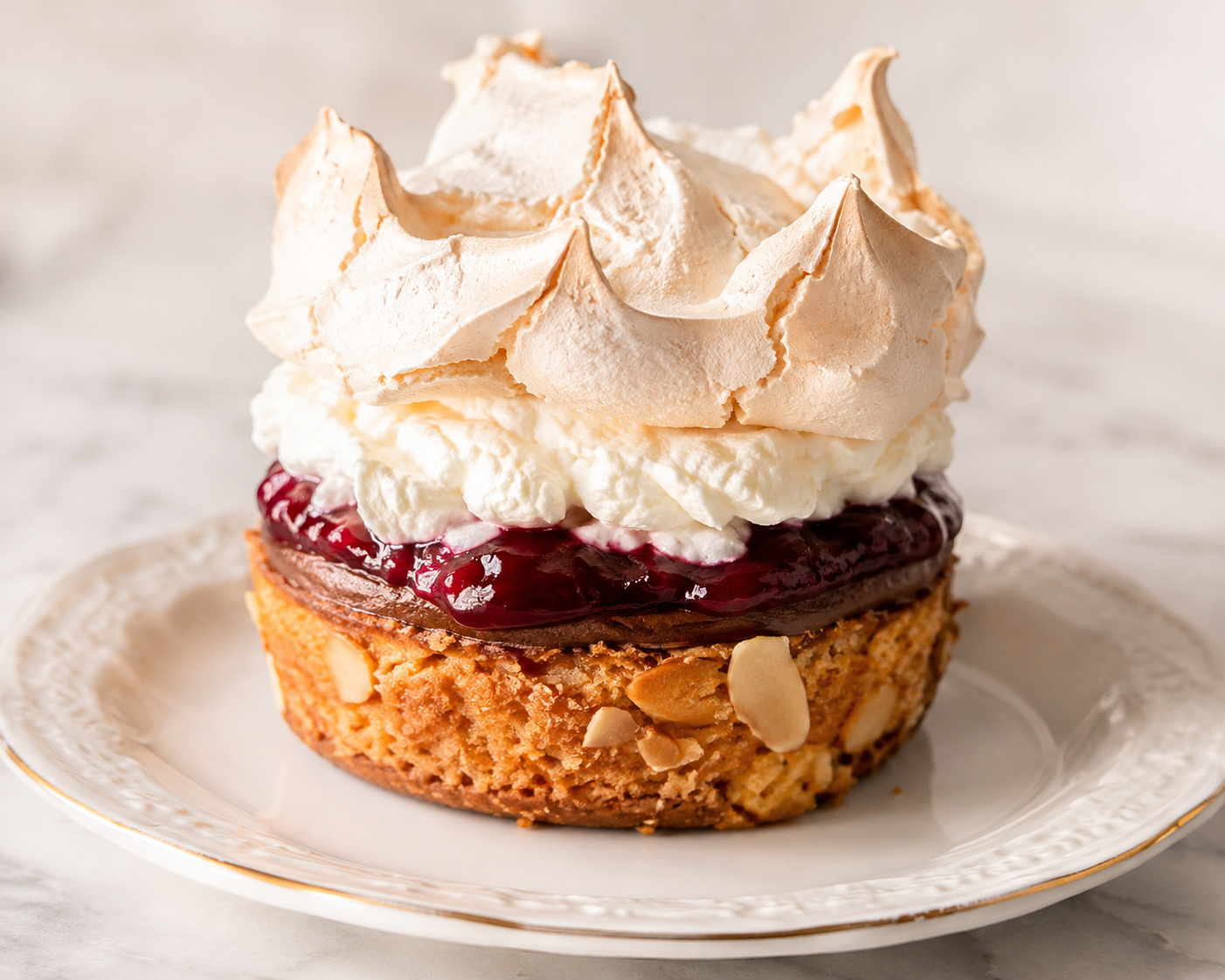
Another particularly interesting Warsaw dessert is Zygmuntówka.
Created in connection with Warsaw's 2009 celebrations of the 400th anniversary of the transfer of the Polish capital from Kraków, it was designed as a cake representing the city.
It combines a delicate almond base, chocolate mousse, cranberry or lingonberry filling, and a meringue decoration. Its distinctive shape resembles a small crown.
The cake takes its name from King Sigismund III Vasa, whose statue stands on the famous Sigismund's Column in Castle Square.
It is a lovely example of how Warsaw has developed its own modern culinary symbols.
Pańska skórka – a mysterious Warsaw sweet
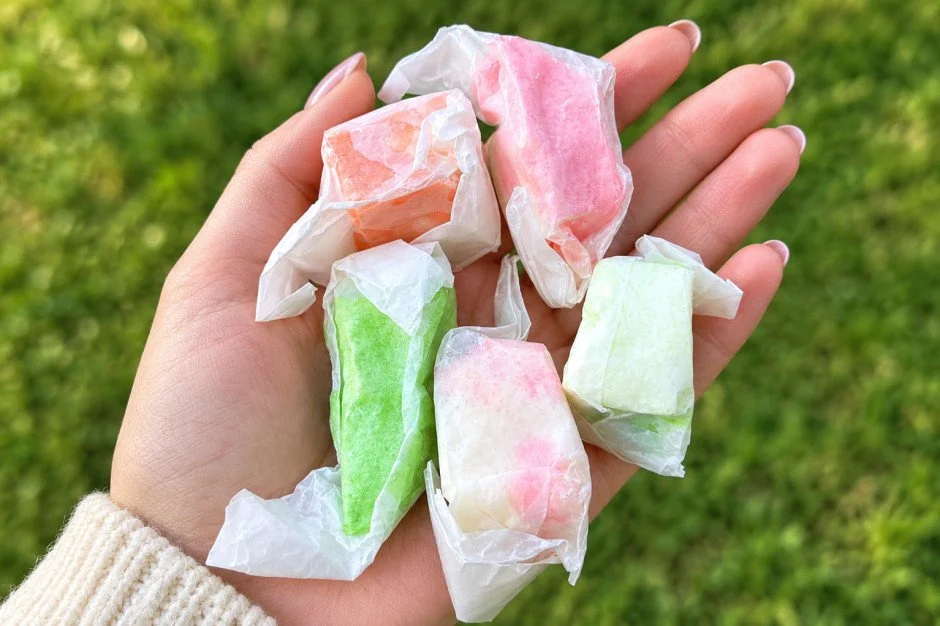
Pańska skórka is a traditional Warsaw sweet that is particularly associated with All Saints' Day.
It is a soft, chewy confection, usually pink and white, made from ingredients such as sugar, egg whites and syrup. It resembles a cross between marshmallow and nougat.
You will traditionally find it sold around cemeteries on 1 November, when Polish families visit the graves of their loved ones.
The exact recipe is often a closely guarded secret, and the sweet has become a nostalgic part of Warsaw's local traditions.
It is not something you will necessarily find in an ordinary pastry shop, which makes it all the more interesting to discover.
Zapiekanka – Poland's much-loved street food
Although the zapiekanka is not exclusive to Warsaw, it deserves a mention when talking about the city's food culture.
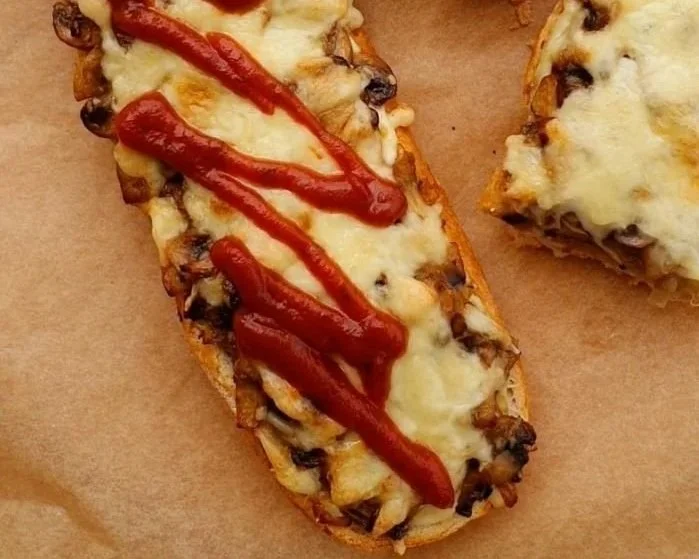
It is an open-faced toasted baguette topped with mushrooms, melted cheese and usually ketchup, although modern versions come with a huge variety of toppings.
The zapiekanka became particularly popular in Poland during the 1970s and 1980s, when it was an affordable and convenient street-food option.
It is a simple dish, but one that many Poles associate with childhood memories and late-night snacks.
4. Where to eat traditional Polish food in Warsaw
Warsaw has an excellent selection of places where you can experience Polish cuisine, from inexpensive, traditional milk bars to elegant restaurants serving beautifully presented versions of historic recipes.
Here are some places worth visiting.
1. Specjały Regionalne - restauracja polska Stare Miasto – traditional regional Polish cuisine
Great introduction to Polish cuisine
Address: Nowy Świat 44, 00-363 Warszawa, Poland
Style: Traditional Polish and regional cooking.
Why visit: A good choice if you want to try a range of classic Polish dishes in one place.
Located on the popular Nowy Świat street, this restaurant focuses on traditional Polish and regional specialities. It is a convenient choice for visitors exploring the city centre.
Look out for traditional soups, meat dishes, dumplings and regional products.
2. Gospoda Kwiaty Polskie – a classic Polish restaurant
Address: Wąski Dunaj 4/6/8, Warsaw Old Town
Style: Traditional Polish home-style cooking, inspired by recipes from Polish grandmothers.
Why visit: A lovely choice if you want to experience traditional Polish cuisine in a cosy, rustic setting
Located on the charming little street of Wąski Dunaj, just a short walk from Warsaw's Old Town Market Square and the Barbican, the restaurant offers an alternative to the more obvious tourist restaurants. Rustic, folk-inspired décor and a warm, welcoming atmosphere.
3. Zapiecek – for pierogi lovers
Address: Krakowskie Przedmieście 55
Style: Traditional Polish comfort food.
Why visit: A good place to explore different types of pierogi.
If you want to try Poland's famous dumplings, this is a convenient option in central Warsaw.
You can find different fillings and preparations, including boiled and fried pierogi, as well as other traditional Polish dishes.
It is particularly suitable for a casual lunch while exploring Nowy Świat and the Old Town.
4. Czerwony Wieprz – traditional Polish food with a communist twist
Address: Żelazna 68
Style: Traditional Polish food.
Why visit: Generous portions and a distinctive themed interior.
Czerwony Wieprz is one of Warsaw's most distinctive Polish restaurants. It's worth visiting not just for the food, but for its unusual atmosphere, history and sense of humour. It's a combination of traditional Polish restaurant, communist-era time capsule and entertaining dining experience.
5. Prodiz Warszawski – modern traditional Polish food
Address: Poznańska 16, 00-680 Warszawa, Poland
Style: Traditional Polish cooking with a modern approach.
Why visit: For a slightly different interpretation of Polish classics.
Prodiż Warszawski offers a selection of traditional Polish flavours in a more contemporary setting.
It is worth considering if you want to explore Polish cuisine beyond the most familiar dishes, including traditional starters and meat specialities.
6. Pyzy Flaki Gorące – a real taste of old Warsaw
Address: Brzeska 29/31, Praga-Północ.
Style: Traditional Warsaw street food.
Why visit: To discover local dishes that are particularly associated with the capital.
This is perhaps the most interesting recommendation for anyone who wants to explore Warsaw's distinctive food heritage. It also has a second location right next to the Old Town at Podwale 5.
Situated in Praga, close to the historic Różycki Bazaar, the restaurant serves traditional pyzy, flaki and other old-fashioned Polish dishes.
One of its characteristic features is serving food in glass jars, reminiscent of the way these dishes were sold at the old market stalls.
If you visit, try the Warsaw-style pyzy with bacon and fried onions, or flaki po warszawsku.
7. Bar Mleczny Prasowy – experience a traditional Polish milk bar
Address: Marszałkowska 10/16.
Style: Traditional Polish home cooking.
Why visit: An inexpensive, authentic everyday Polish dining experience.
A bar mleczny (milk bar) is an important part of Polish food culture.
These simple canteens became particularly popular during the communist period, offering inexpensive, filling meals to ordinary people. Many have survived and remain popular today and gives you a little taste of an element of life in Warsaw during communism.
Prasowy is one of Warsaw's best-known examples.
You can typically find dishes such as:
Pierogi.
Potato pancakes.
Gołąbki.
Bigos.
Traditional soups.
Polish pancakes and other simple desserts.
The atmosphere is much more casual than in a conventional restaurant. You order at the counter, collect your food and find a table.
It is a wonderful way to experience everyday Polish food rather than just the restaurant version.
5. Traditional Polish drinks to accompany your meal
Polish cuisine is not just about food. There are also several traditional drinks worth trying.
Kompot: A homemade drink made by boiling fruit, such as apples, plums, strawberries or cherries, with water and a little sugar. It is often served with lunch in milk bars.
Miód pitny: Traditional Polish honey mead, made by fermenting honey with water. It comes in different strengths and varieties and has a long history in Poland.
Nalewka: Homemade fruit or herbal liqueur, traditionally prepared by infusing fruit, herbs or spices in alcohol. Popular flavours include cherry, raspberry and quince.
Grzaniec: Polish mulled wine, traditionally served warm with cinnamon, cloves, orange and other spices. Particularly popular during the colder months and at Christmas markets.
6. A final word: Polish food is about tradition and hospitality
Traditional Polish cuisine is much more than pierogi and sausage. It tells the story of a country with a rich and sometimes complicated history, where food has always played an important role in family life, celebrations and bringing people together.
Some dishes, such as bigos, żurek and makowiec, have been enjoyed for generations. Others, such as Wuzetka and Zygmuntówka, reflect the more specific history and identity of Warsaw.
What makes Polish cuisine particularly interesting is the contrast between simple everyday cooking and elaborate festive dishes. You can have an inexpensive but delicious lunch in a milk bar, enjoy homemade cakes in a neighbourhood bakery, or experience traditional recipes prepared with great attention to detail in an elegant restaurant.
Our advice: Don't limit yourself to the most famous Polish dishes. Try some of the less familiar Warsaw specialities, particularly pyzy po warszawsku, flaki po warszawsku and Wuzetka. These will give you a much better understanding of what makes Warsaw's food culture special.
And, of course, never leave Poland without trying a freshly made pączek!