What Is a Polish Milk Bar and Why You Should Try It?
Milk bars are an enduring symbol of Polish culinary heritage, with many of Warsaw's most beloved locations tracing their roots back to the early 1950s. Originally functioning as affordable canteens, these establishments have evolved over the decades into cherished neighborhood institutions.
Today, they continue to draw a diverse mix of locals, students, and travelers looking for a hearty meal. The appeal lies in their commitment to simple, traditional food prepared without fuss. While the city modernizes around them, these historic establishments proudly maintain their retro charm, offering a comforting and authentic dining experience that connects the past with the present.
The Surprising 19th-Century Origins of Milk Bars
The history of the milk bar actually dates back to the late 19th century. In February 1896, Stanisław Dłużewski opened "Mleczarnia Nadświdrzańska" at 11 Nowy Świat Street in Warsaw. The establishment was a new type of eatery serving primarily dairy-based meals, alongside potatoes, groats, and flour-based dishes.
With an interior inspired by the mountain town of Zakopane, the original establishment was highly unusual for its time. It was staffed by just four waiters alongside 25 children. While early 20th-century press sometimes documented classist incidents—such as rural patrons being turned away by staff for their rustic attire—these cafeterias slowly became a fixture in Warsaw. The pioneer bar continued operating right up until the Warsaw Uprising.
The Communist Era: Boom and Mass Appeal
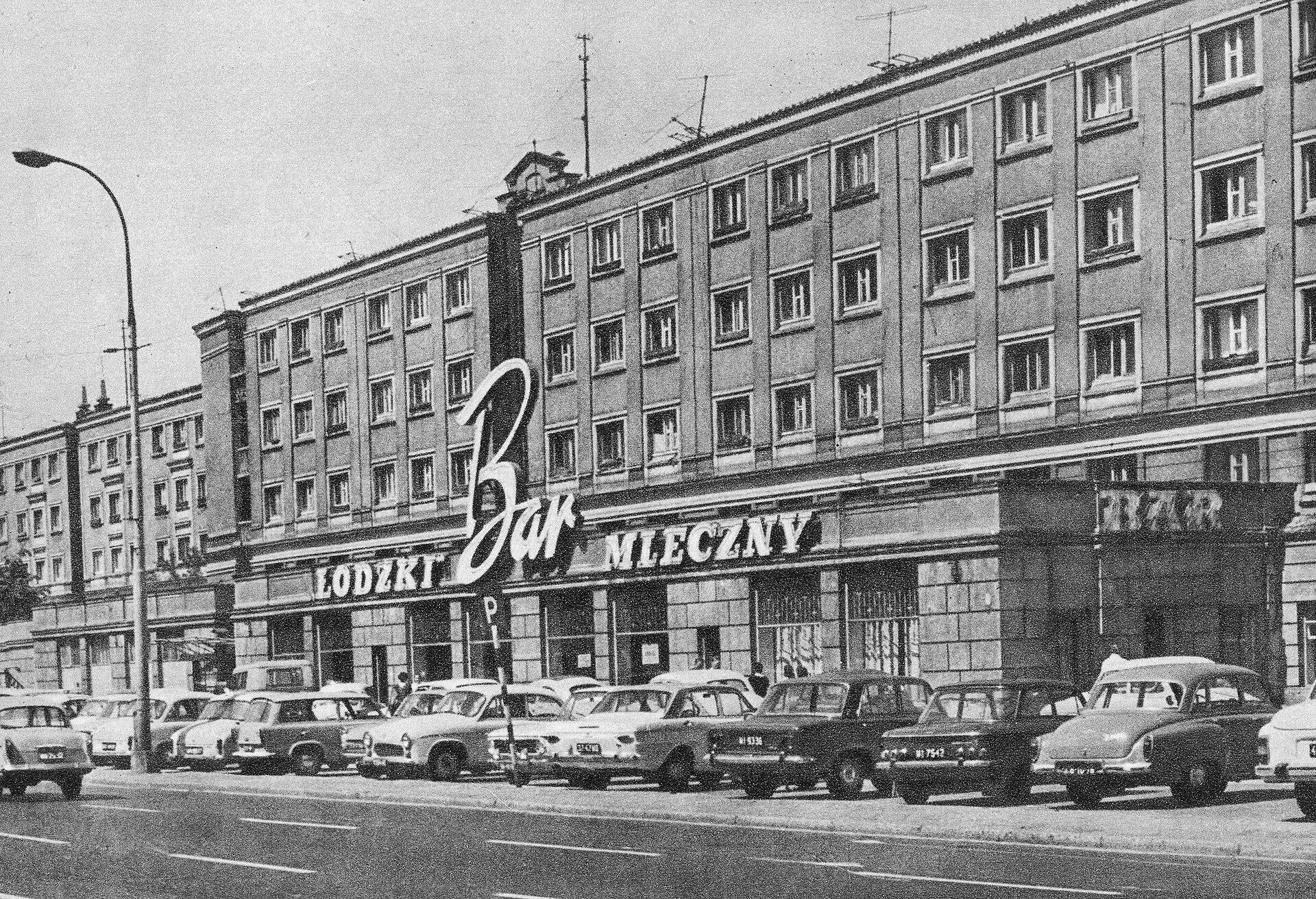
Milk bars reached their peak popularity during the communist era in Poland. In Warsaw alone, up to 50,000 people ate in these cafeterias daily, and by the early 1960s, an estimated 57% of all Poles relied on them for meals. This massive boom was largely driven by economics and state politics.
Meals in milk bars were up to three times cheaper than in standard restaurants. Furthermore, the state actively promoted them to save citizens time on cooking at home, aiming to increase overall worker productivity. To manage this vast network, the majority of milk bars were operated under a single central cooperative called "Społem," which centralized both their affordable advantages and their operational flaws.
Nostalgia vs. Reality: The True Experience
Today, milk bars are often viewed through a lens of fond nostalgia, with modern eateries sometimes borrowing their vintage aesthetics. However, the historical reality was far less romantic. Press reports from the era frequently highlighted cramped, stuffy interiors and unpleasant odors rather than cosy dining rooms.
The menus were notoriously limited. Especially in the late 1940s and 50s, a typical bar might only offer items like sour milk, kefir, basic cheese sandwiches, and boiled eggs, though pierogi eventually became a dominant staple. Service was also an issue. Nearly 60% of surveyed customers complained about the staff citing unhygienic conditions, underweight portions, and a general tolerance for intoxicated patrons.
The 1989 Transition and the Fast Food Takeover
The fall of communism and the economic transition after 1989 brought severe challenges for milk bars. Stripped of comprehensive state funding and forced into a free-market economy, these traditional cafeterias struggled to compete with the sudden influx of Western fast food.
A highly symbolic moment of this transition occurred in the early 1990s. Jacek Kuroń, the Minister of Labour and Social Policy known for initiating free meals for the poor, officially cut the ribbon at Poland’s first McDonald’s in Warsaw. This event marked a turning point. At their historical peak, there were over 40,000 milk bars across the country; by the late 2000s, this number had plummeted to around 120. Now, however, they’re bouncing back and gaining popularity.
What to Eat: Classic Polish Dishes at a Milk Bar
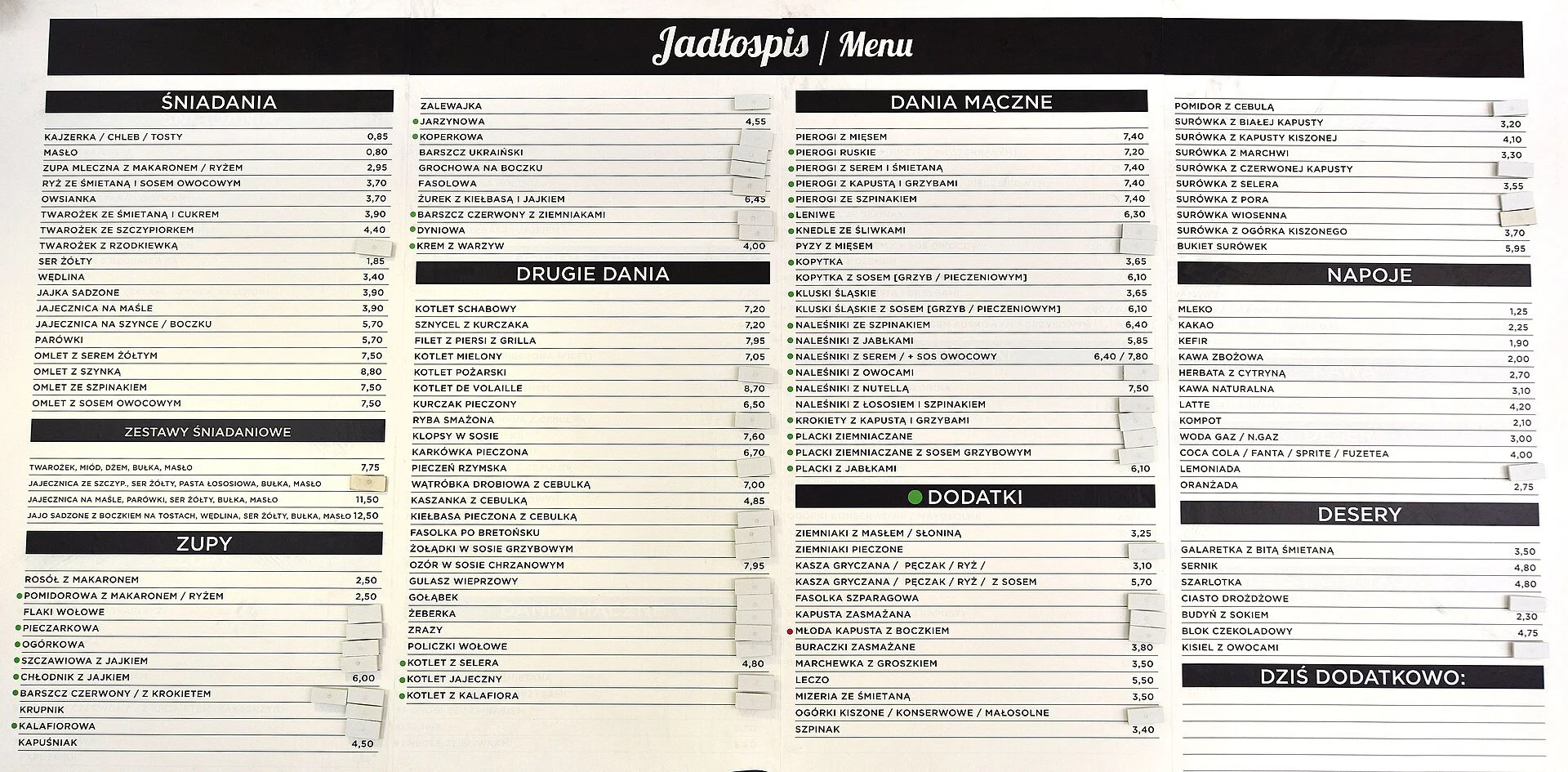
Milk bars serve a wide variety of familiar Polish staples. For breakfast, menus typically feature milk soup, scrambled eggs with bacon, or hot sausages served with grain coffee. Lunch and dinner options usually include traditional soups such as tomato soup with rice, Ukrainian borscht, or sour rye soup (żurek).
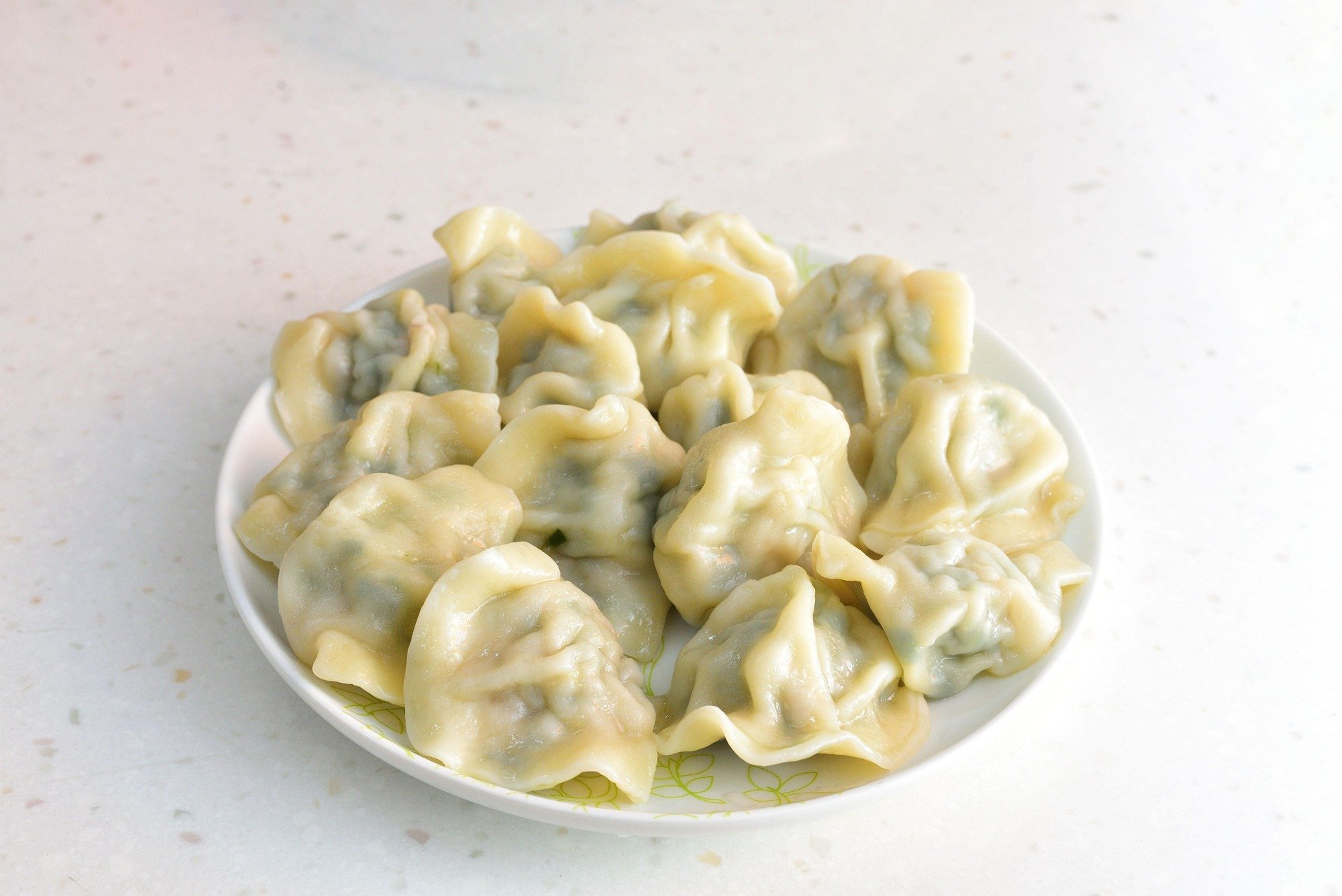
For the main course, there is a large selection of dumplings (pierogi), thin pancakes, and potato pancakes. Meat lovers can choose from breaded pork cutlets (schabowy), meatballs, or stuffed cabbage rolls (gołąbki), usually served with potatoes or groats. To complete the meal, it is customary to order a glass of kompot—a traditional fruit drink—or a simple dessert like apple pie or fruit jelly with whipped cream.
A Healthy, Home-Cooked Alternative to Fast Food
Because they serve freshly prepared meals, milk bars are a practical alternative to international fast-food chains. The dishes rely on traditional cooking methods and familiar ingredients rather than heavy deep-frying, making them a generally healthier option for a quick lunch.
The simple nature of the food is a major part of its appeal. The meals are comforting and taste like a standard Polish family dinner. Furthermore, the extensive menu ensures that both vegetarians and dedicated meat-eaters can easily find a satisfying dish without compromising on local flavor.
Budget-Friendly Dining and Subsidized Prices
One of the most notable aspects of dining in a milk bar is the affordability. These establishments receive specific government subsidies—a funding system that has been in place in its current form since 2015. As a result of this financial support, meal prices can be significantly lower than those found in standard tourist restaurants.
In addition to the low costs, milk bars are known for their generous portion sizes. Diners can expect substantial, filling plates of food, ensuring that the inexpensive price tag does not come at the expense of a complete and satisfying meal.
Fast and Convenient Dining for Warsaw Sightseers
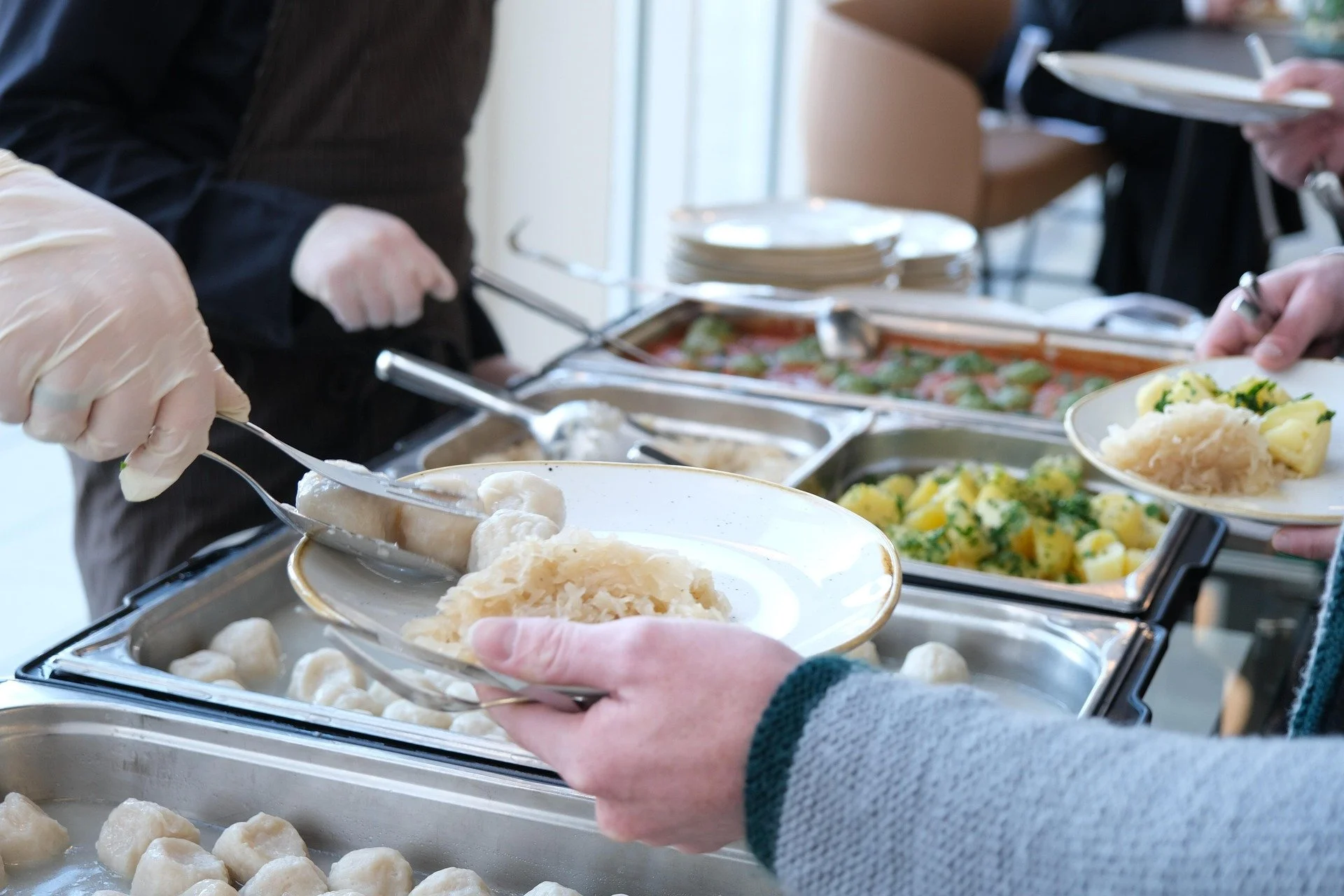
Milk bars operate on a cafeteria-style system where much of the food is prepared in advance and kept warm, ready to serve. This means there is no lengthy wait for a waiter to take your order or for the kitchen to cook a meal from scratch. You simply choose your items at the counter and receive them almost immediately.
This efficiency makes milk bars an excellent option for busy travelers or families exploring Warsaw. If you need a quick rest from walking tours or a fast solution for a hungry child, a milk bar allows you to sit down, eat a warm meal, and be ready to continue sightseeing within half an hour.
Historic Milk Bars in the City Center: Bambino and Prasowy
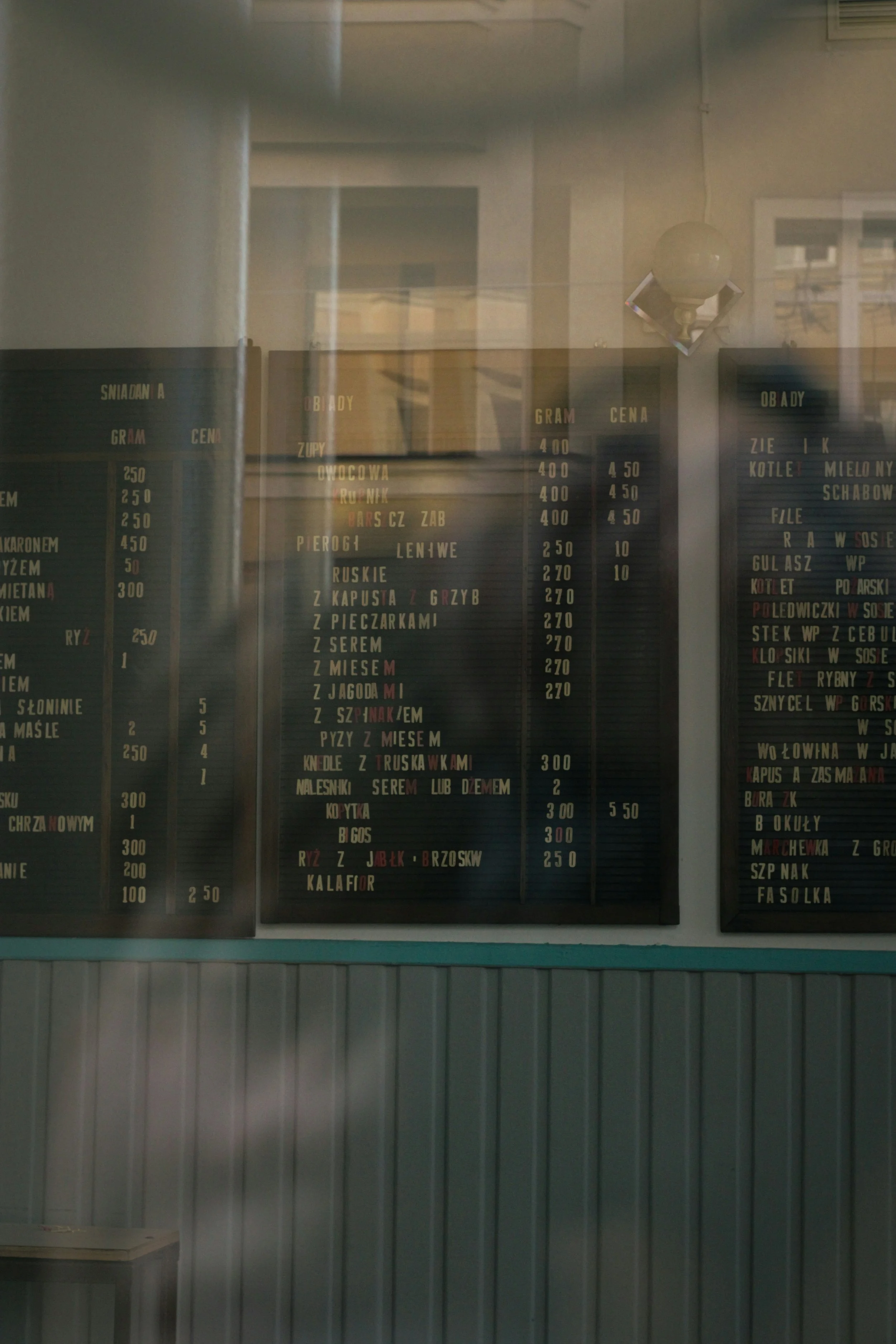
Located right in the heart of the city, Bambino recently celebrated its 65th anniversary. The interior retains the authentic atmosphere of a bygone era, complete with simple wooden tables and a classic serving counter. Diners here enjoy dishes made from fresh ingredients, without artificial additives, served in generous, affordable portions. It is particularly known for its traditional soups and well-seasoned pierogi.
Nearby on Marszałkowska street, Prasowy Bar Mleczny has been operating since 1954. During the summer, it features a large outdoor seating area and warmly welcomes pets indoors. While Prasowy embraces its roots by serving classic Polish recipes from the communist era, it also stands out by incorporating modern culinary inspirations. This unique blend ensures that anyone looking for either a traditional bite or a contemporary twist will find something to enjoy.
Authentic Milk Bars in Praga: Ząbkowski and Rusałka
The right-bank district of Praga is often considered the most authentic part of Warsaw, and its milk bars reflect that character. Bar Ząbkowski, operating on Ząbkowska street for over 60 years, feels like a true time capsule. Meals are still handed out through three traditional service windows, and the white-and-brown walls frame an unpretentious space where the delicious food takes center stage.
Close to Praski Park, Rusałka offers a similarly untouched retro atmosphere. With its bright, spacious interior and a large classic menu board on the wall, it reminds patrons of a time when milk bars were the center of daily life. Regulars note that Rusałka has a distinctly welcoming vibe, making everyone feel at home while enjoying a traditional, warming meal.
Gdański Bar Mleczny: Comfort Food Near Gdański Station
Rooted in the early 1950s, Gdański Bar Mleczny is a quiet but iconic spot on Warsaw's culinary map. Conveniently located pretty close to the Gdański Railway Station (Dworzec Gdański), it provides a perfect refuge for travelers and locals seeking straightforward, home-style food without unnecessary complications.
The establishment blends the traditional spirit of a typical Polish milk bar with a subtle coastal character. It also offers a modern touch to its service through various promotions. Visitors can collect loyalty stamps with their orders, which can later be exchanged for branded bar gadgets, making it a memorable stop for a casual lunch.
Visiting a milk bar in Warsaw is about much more than finding a budget-friendly meal; it is an immersion into the everyday culture and culinary history of the city. Whether you grab a quick bowl of soup near the station or sit down for a plate of pierogi in Praga, these local spots offer a taste of genuine Polish hospitality. Embrace the retro atmosphere, explore the menu boards, and enjoy an authentic local experience!