
Is Warsaw Safe? A Complete Guide to Staying Safe in Poland's Capital
When planning a trip to the Polish capital, one of the first questions travelers often ask is about safety. Warsaw has undergone immense changes over the past few decades, transforming from a city scarred by history into a modern, bustling metropolis. For visitors, understanding the local safety landscape is key to an enjoyable and stress-free trip. Fortunately, Warsaw is widely regarded as a secure destination, but like any major urban center, it helps to know exactly what to expect.
General Safety in Warsaw: How It Compares to Europe
Statistically, Warsaw consistently ranks among the safer capital cities in Europe. Compared to hubs like Paris, London, or Rome, Warsaw experiences significantly lower rates of violent crime and street harassment. Incidents involving tourists are rare, and visitors generally feel secure walking through the city center during the day and early evening. The city is well-policed, and locals generally feel secure walking around the central districts. While no city is completely without risk, the primary concerns for visitors in Warsaw are minor property crimes rather than physical threats. Travelers can generally explore the city with confidence, provided they exercise the same standard of common sense they would use at home.
Is Warsaw Safe for Solo Female Travelers?
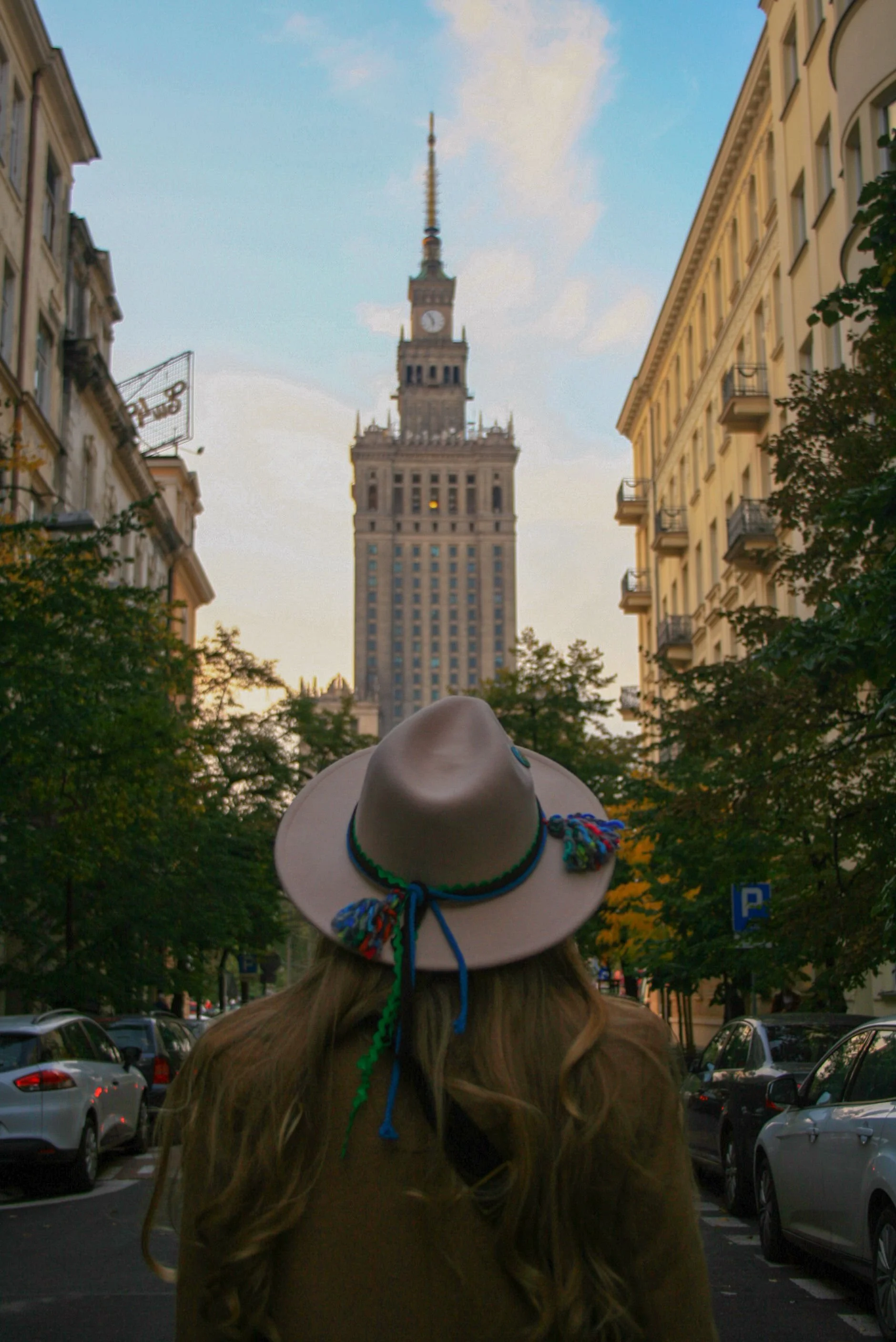
Warsaw is increasingly recognized as a welcoming and accessible destination for solo female travelers. While safety is a common priority when planning a solo trip, visitors often find that common sense and basic preparation are usually all that is needed to navigate the city comfortably and confidently. Many solo female travelers note that they receive less unwanted attention while walking in Warsaw than they might expect elsewhere. However, it remains a large urban center, so maintaining the same situational awareness you would apply in any major city is always the best approach.
Safety in Warsaw: Understanding the Visible Police Presence
Visitors to Warsaw are often struck by a noticeable police presence in the city. While seeing officers on the streets can be unsettling for some travellers, it’s important to understand the context. Warsaw is one of Europe's safest capital cities, and the visible security is not a sign of high crime but rather a reflection of its role as a bustling political, cultural, and diplomatic hub. This presence is preventative, professional, and designed to ensure the smooth functioning of a major European capital.
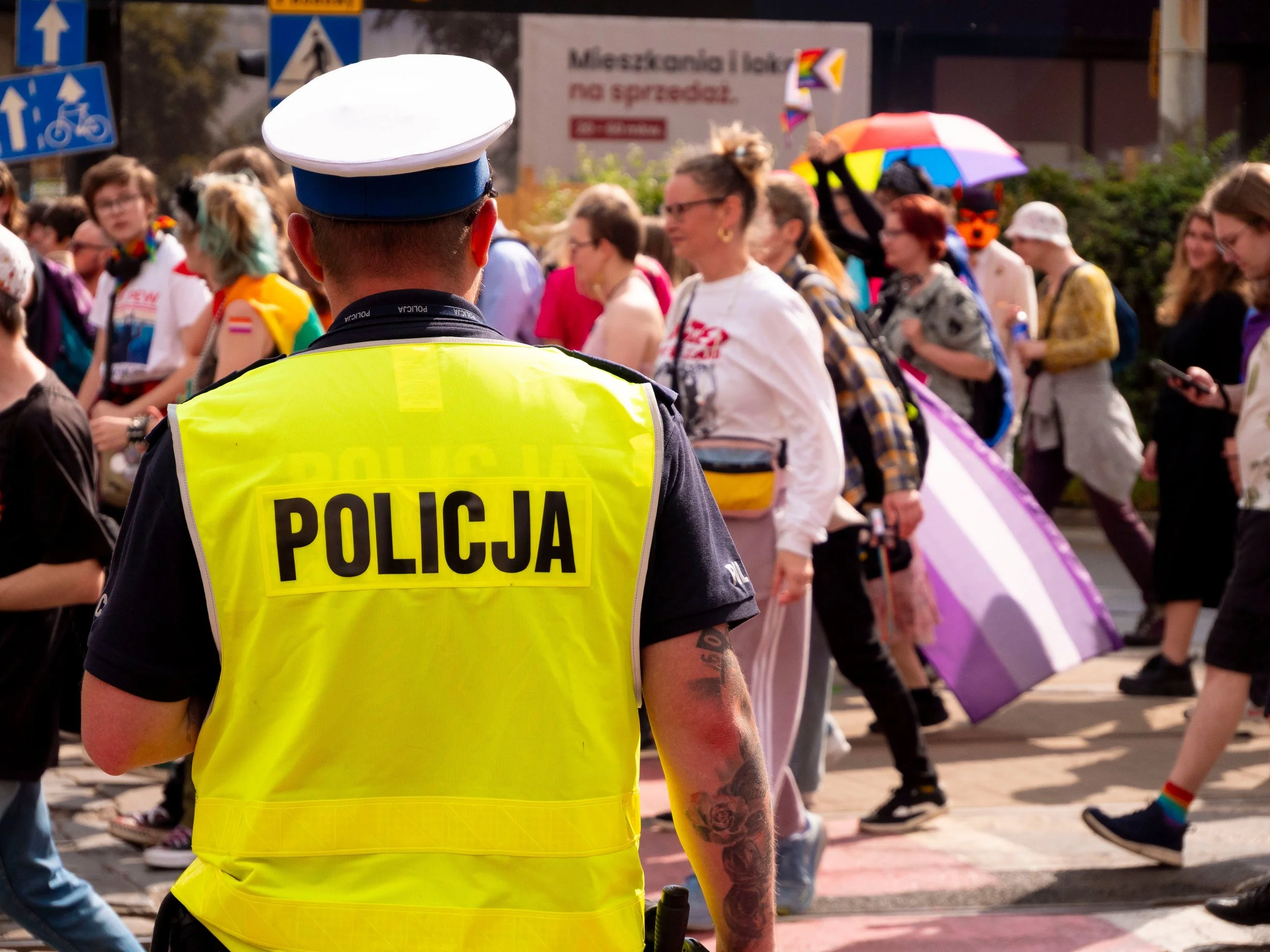
The law enforcement you see—including the national police (Policja), municipal guards (Straż Miejska), and occasionally military police (Żandarmeria Wojskowa)—are part of a proactive strategy. Their presence is primarily aimed at deterring petty crime, managing traffic, and providing security for the city's many official functions. Rather than indicating danger, this visibility is a key component of what keeps Warsaw's public spaces secure and orderly for everyone.
As Poland's capital, central Warsaw is home to the nation's most important institutions. The area around the Royal Route is dense with government ministries, the Presidential Palace, and the Polish Parliament (Sejm i Senat). These sites, along with numerous foreign embassies scattered throughout the city centre, require a constant and visible security detail. This is standard procedure for any capital city and contributes significantly to the number of officers you might see while sightseeing or exploring historic areas on a walking tour.
Warsaw is the heart of Poland's civic life, which means it is a frequent stage for public events. Political demonstrations, national holiday parades, and official state visits are common occurrences that require a coordinated police presence to manage crowds and ensure public safety. Additionally, Warsaw is passionate about football. Matches involving local teams, particularly Legia Warsaw, draw large crowds and are managed with a significant police deployment to direct fans and prevent disturbances, ensuring events remain safe and enjoyable for all attendees.
Common Tourist Scams
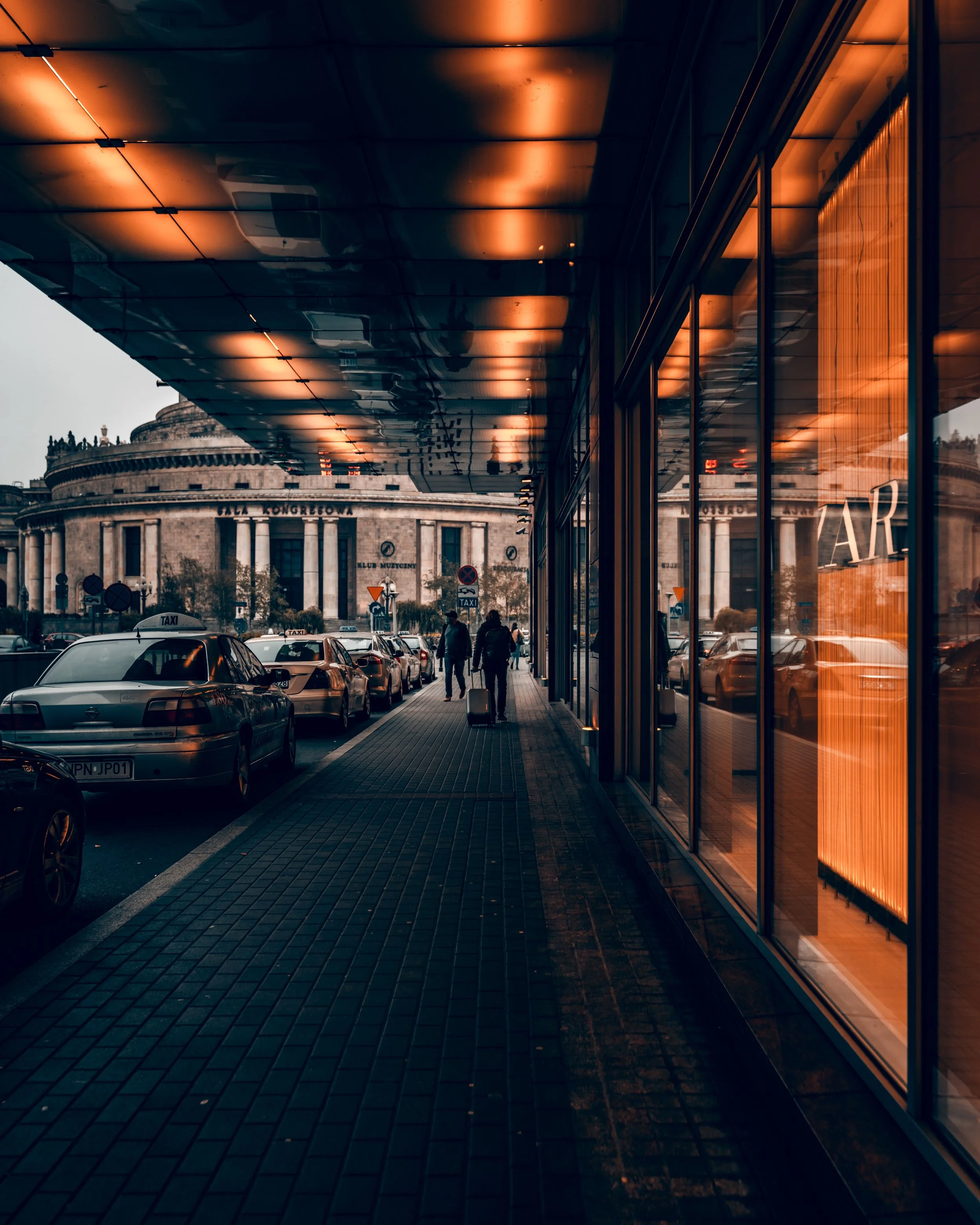
As with most popular destinations, petty crime is the most common issue visitors might encounter.
One of the most common issues visitors encounter occurs right upon arrival. Unlicensed taxi drivers sometimes wait inside or just outside the arrivals hall at Chopin Airport and major train stations, offering rides to the city center. These drivers frequently lack a meter or use rigged ones, resulting in heavily inflated fares. To avoid being overcharged, ignore solicitations from individuals approaching you inside the terminal. Instead, always use the official taxi ranks clearly marked outside the buildings. An official Warsaw taxi should display:
A prominent "Taxi" sign on the roof
The Warsaw mermaid emblem on the front doors
A clearly visible fare tariff displayed in the window
Alternatively, trusted ride-hailing apps offer upfront pricing, making them a safe and convenient option.
While Poland is a member of the European Union, its official currency remains the Polish Złoty (PLN). If you need to exchange cash, be wary of currency exchange offices (known locally as kantors) situated in high-traffic tourist areas like the Old Town, airports, or train stations. Some of these establishments display very attractive selling rates on their boards to draw you in, while the buying rate—the one you actually get when trading your foreign currency—is exceptionally poor. Others may add hidden commissions. Always ask the cashier exactly how many złoty you will receive for your specific amount before handing over any money.
While exploring central areas, you might occasionally encounter individuals holding clipboards, asking for signatures for a supposed charity or an international petition. Once you sign, they will aggressively demand a cash donation. This is a common street trick designed to pressure well-meaning tourists into handing over money. Another tactic involves distraction—someone might accidentally bump into you or ask for complicated directions while an accomplice checks your pockets. Whether you are wandering the bustling Old Town or taking a guided walking tour to discover the multicultural history of the Praga district, it is best to decline unsolicited approaches and keep walking.
Public Transport and Crowded Areas
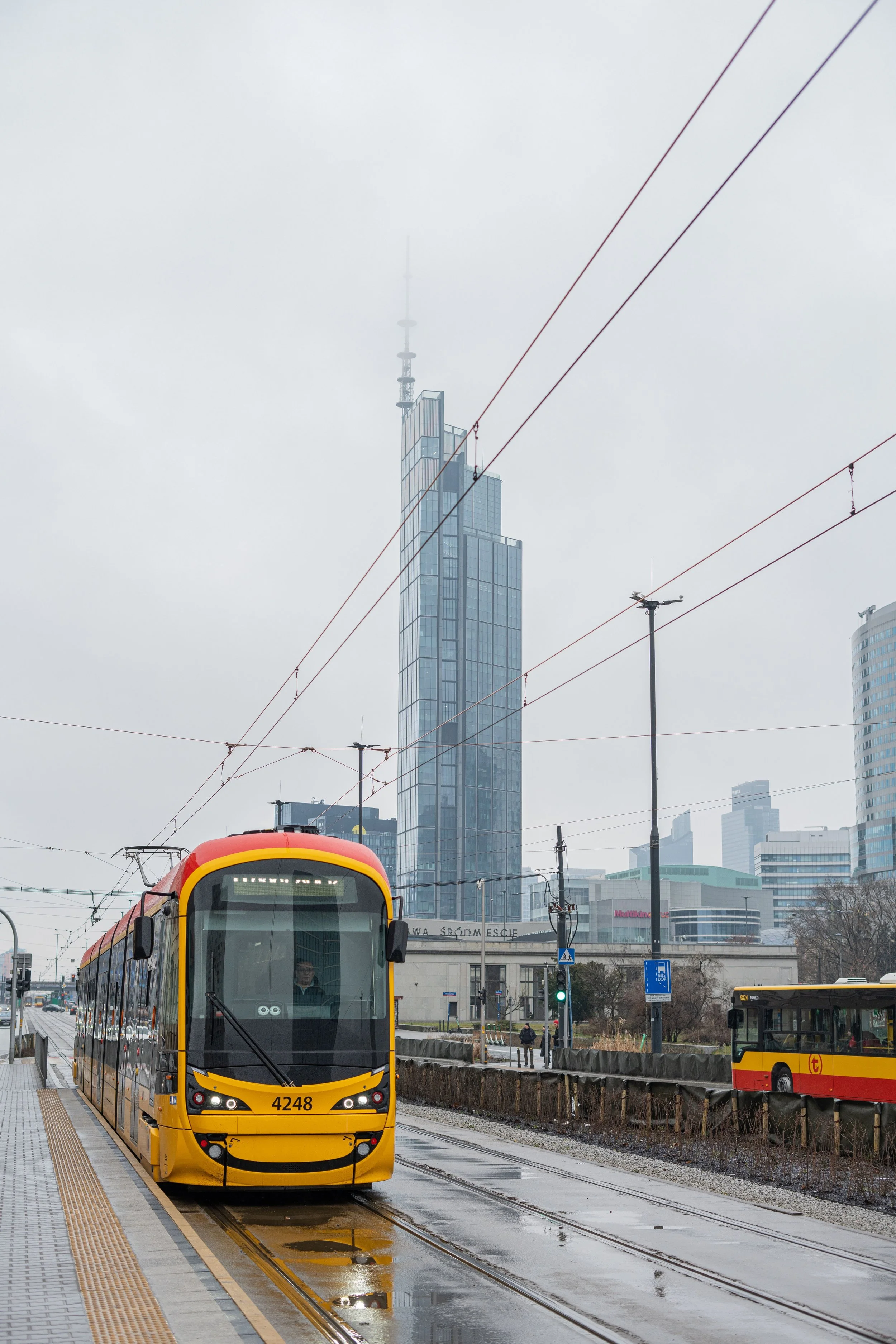
Warsaw features an efficient and expansive public transportation network, including buses, trams, and two metro lines. While the system is generally safe and well-monitored, crowded carriages during morning and evening rush hours create opportunities for opportunistic theft.
When traveling through busy transit hubs like Warszawa Centralna (the main railway station) or navigating packed transport, keep your bags zipped and positioned in front of you. Avoid keeping valuables in easily accessible back pockets, and remain mindful of your surroundings when boarding or exiting crowded vehicles. Also, never leave your bag unattended on the back of a chair in a café or restaurant.
What about the Praga district?
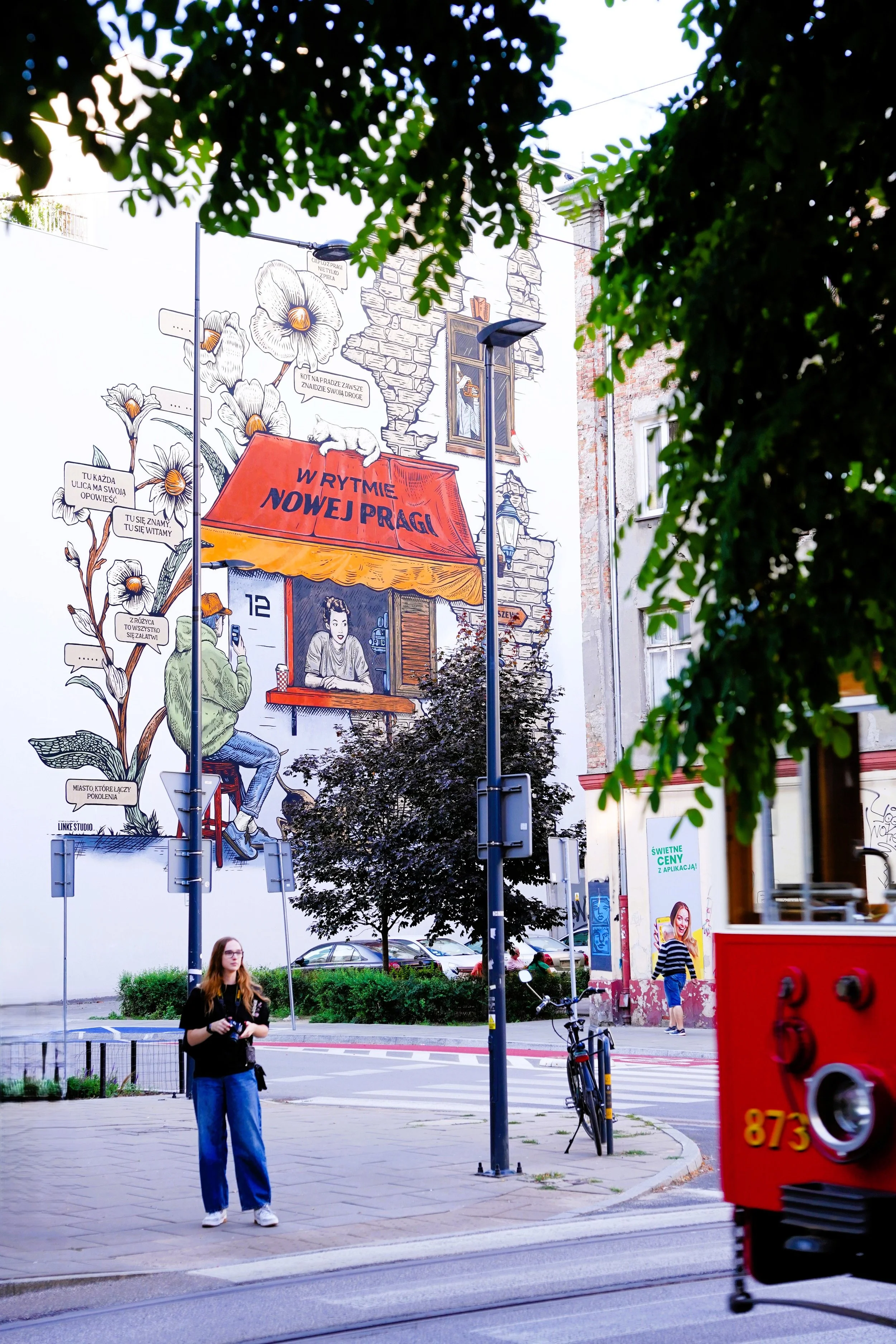
Located on the right bank of the Vistula River, Warsaw’s Praga district offers a stark contrast to the rebuilt historic centre on the opposite shore. As visitors look to explore beyond Warsaw's main sights, questions frequently arise about the district's character and safety. Understanding Praga requires looking past old stereotypes to see a neighbourhood that is rapidly evolving while holding onto its authentic, pre-war heritage.
Praga’s gritty reputation is deeply rooted in its history. Because the district was already occupied by the Soviet army during the 1944 Warsaw Uprising, it largely escaped the systematic destruction that levelled the left bank. Consequently, its original pre-war tenement houses survived, but they were severely neglected during the post-war communist decades.
For much of the late 20th century, Praga was an impoverished, working-class area. In the 1990s, following the economic transition, it became associated with black markets and higher crime rates. This era cemented a local narrative of Praga as a dangerous neighbourhood, a perception that lingered in guidebooks and local lore long after the reality on the ground began to change.
Today, the narrative surrounding Praga’s safety is largely outdated. Over the past two decades, the district has undergone significant urban renewal and gentrification. Former factories have been transformed into cultural hubs, and artists, students, and young professionals have moved into the area, bringing new businesses and infrastructure.
Currently, Praga is generally as safe as most typical European urban neighbourhoods. Violent crime against visitors is exceedingly rare. While the district still retains a rough-around-the-edges aesthetic with crumbling facades next to renovated lofts, this should not be mistaken for a lack of safety. Visitors exercising standard urban precautions will find the area welcoming and secure during the day and early evening.
Emergency Contacts and Police Assistance
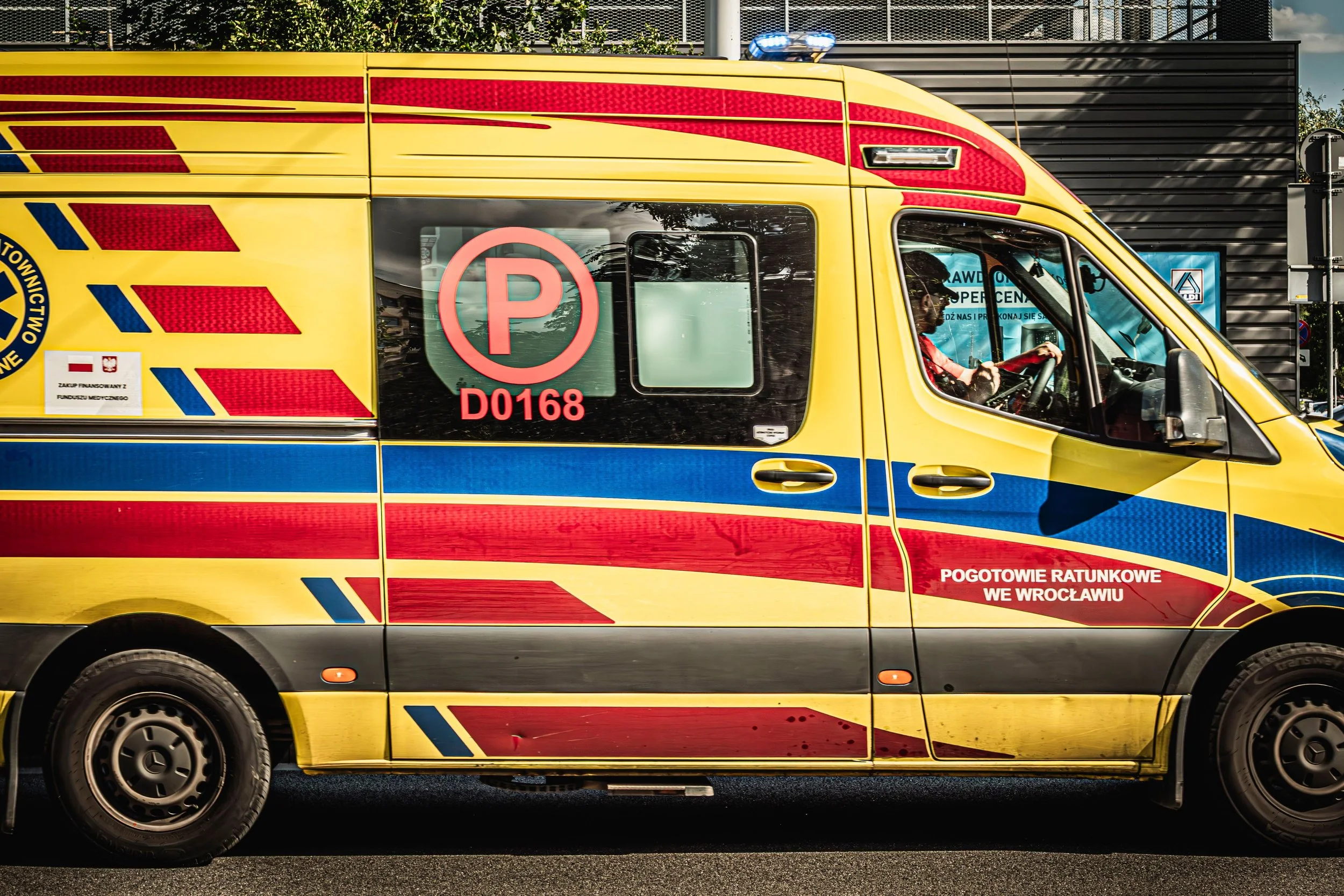
If you find yourself in need of assistance, the general European emergency number is 112, which connects you to police, medical, and fire services. Operators can usually communicate in English.
For incidents involving theft or loss of property, you will need to file a report at a local police station, particularly if you require documentation for travel insurance claims. When filing a report, it is helpful to bring a local speaker if possible, as English proficiency among officers can vary depending on the precinct and the officers on duty.
Ultimately, Warsaw remains a welcoming and secure capital for international visitors. By exercising common sense, respecting local regulations, and keeping a watchful eye on your belongings in busy areas, you are well-equipped to avoid unnecessary complications. Knowing these basic facts allows you to focus on the history, culture, and architecture that make the city such an engaging place to explore.