
Christmas in Warsaw: Food, Family Traditions and the Magic of the Polish Capital
Christmas in Warsaw is a wonderful mixture of family traditions, traditional food, religious customs and the special atmosphere of a historic European capital in winter. Although many Christmas customs in Warsaw are shared with the rest of Poland, the city has its own distinctive history, culinary habits and ways of celebrating.
In December, Warsaw's streets sparkle with Christmas lights, the Old Town becomes a popular place for winter walks, and homes fill with the smell of beetroot soup, fried carp, mushrooms, poppy-seed cake and gingerbread. For many people living in Warsaw, however, the heart of Christmas is not the city centre but the family table on the evening of 24 December.
What makes Warsaw particularly interesting is the contrast between its old urban traditions and modern city life. Some customs date back centuries, while others have changed with the capital's changing population and lifestyle. The Warsaw Tourism Office and the cultural institute Culture pl provide fascinating accounts of both the city's food traditions and its historical Christmas celebrations.
1. Christmas Eve in Warsaw: Wigilia
The most important moment of Christmas for many Warsaw families is Wigilia, the Christmas Eve celebration on 24 December. Rather than being centred on Christmas morning, the main family gathering traditionally takes place in the evening.
Preparation often begins well before Christmas. Families shop for ingredients, prepare dishes that take hours to cook, decorate their homes and buy a Christmas tree. In the past, Warsaw's markets were particularly busy before the holiday, as fish and honey arrived from surrounding regions. Today, supermarkets, local shops, bakeries and food markets all play a part in the preparations.
Waiting for the first star
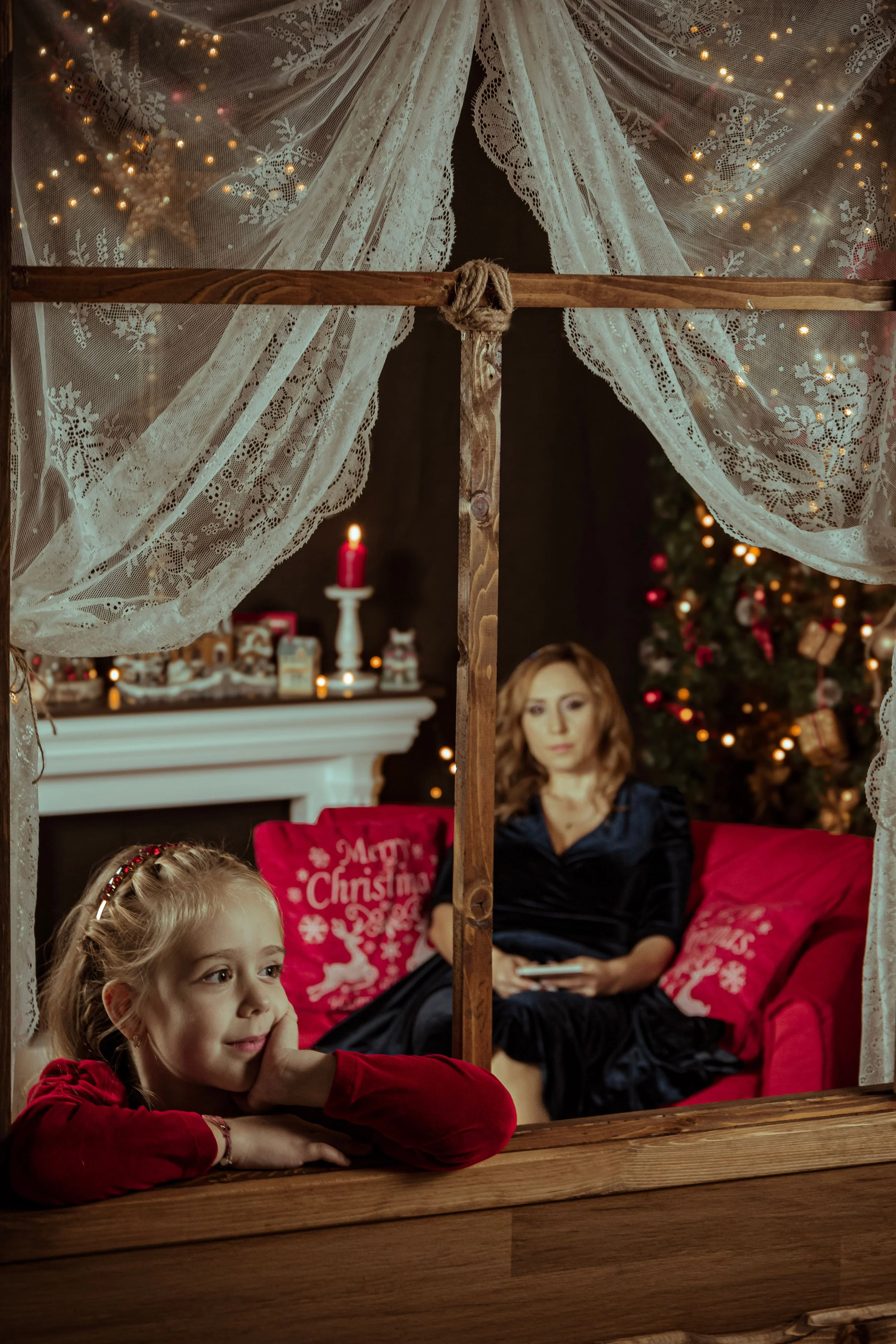
Traditionally, the Christmas Eve meal begins when the first star appears in the sky. The star represents the Star of Bethlehem, which guided the Wise Men to Jesus in the Christian story of the Nativity.
Children may look out of the window, hoping to spot the star before everyone sits down to eat. In a large city like Warsaw, where the sky may be cloudy and the streets are brightly lit, this can be more symbolic than practical, but many families still keep the tradition.
Sharing the Christmas wafer
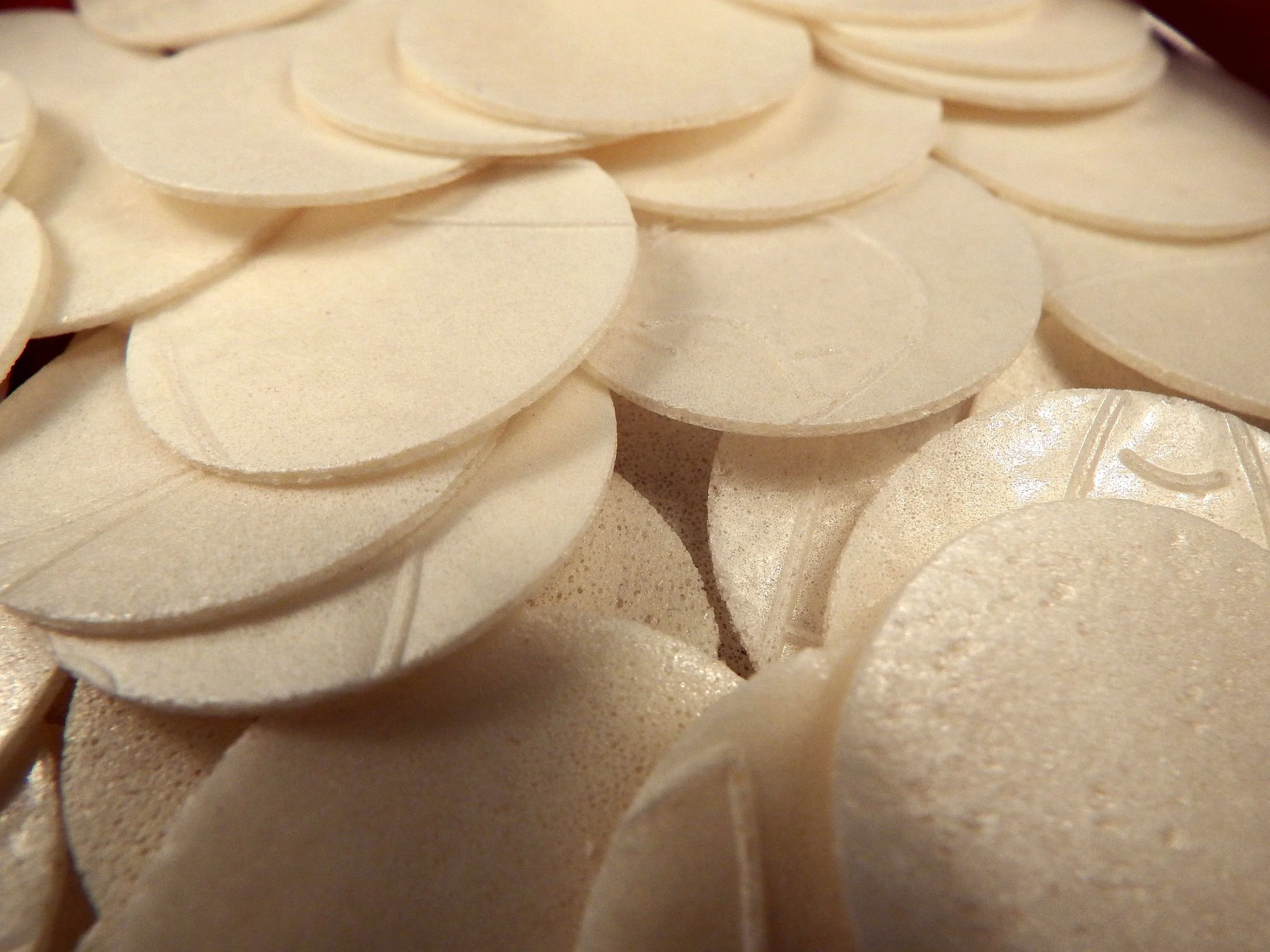
One of the most meaningful customs is sharing opłatek, a thin, white wafer made from flour and water.
Before dinner, family members break off a piece of one another's wafer and exchange Christmas wishes. They might wish each other health, happiness, peace or success in the coming year. It is often a personal and emotional moment, particularly when relatives who live far apart have gathered for the holiday.
The empty place at the table
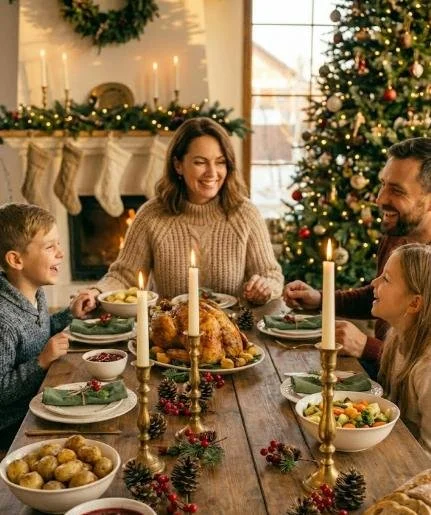
Another traditional sight is a Christmas table covered with a white tablecloth, sometimes with a little hay underneath to symbolise the manger in which Jesus was born.
Many families also leave one extra place setting. It traditionally represents hospitality towards an unexpected guest and, in some interpretations, remembrance of people who cannot be present.
The customs are widespread throughout Poland rather than unique to Warsaw, but they remain central to the traditional Christmas Eve celebration in the capital.
2. Traditional Christmas food in Warsaw
Food is one of the richest parts of Christmas in Warsaw. The traditional Wigilia meal is generally meat-free, although fish is allowed, and the customary number of dishes is twelve. The exact menu varies from household to household, and not every family serves twelve dishes today.
Warsaw's Christmas cuisine reflects both Poland's wider culinary traditions and the older food culture of Mazovia, the region surrounding the capital. Fish, beetroot, cabbage, forest mushrooms, dried fruit and poppy seeds appear repeatedly on the Christmas table.
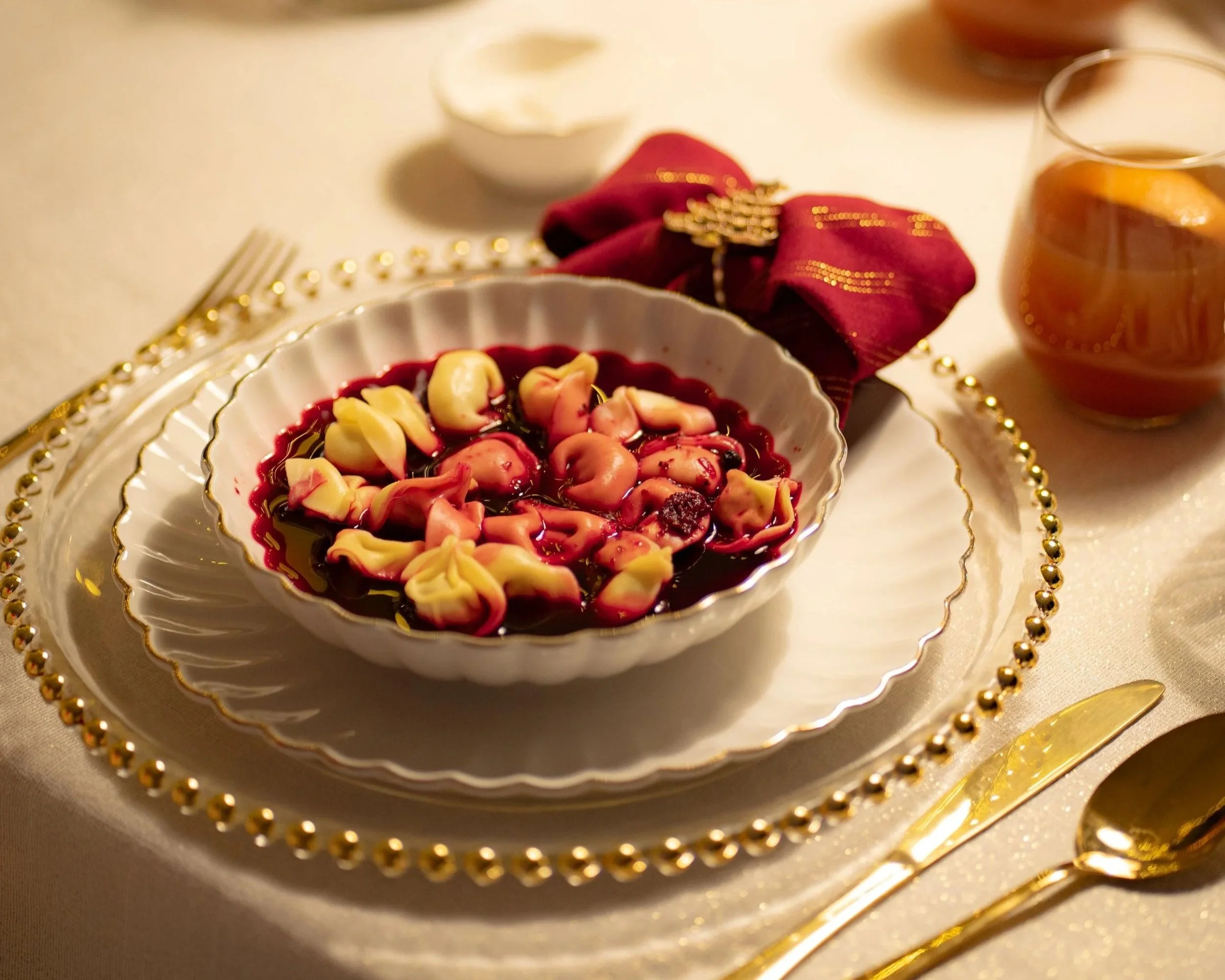
Barszcz czerwony z uszkami — beetroot soup with tiny dumplings
A deep-red beetroot soup is one of the best-known Christmas Eve dishes. It is often served with small dumplings called uszka, usually filled with mushrooms. The combination of the tart soup and earthy mushroom filling makes it a classic start to the meal.
Karp — carp
Carp is strongly associated with Christmas Eve in Warsaw and across Poland. It may be fried, baked or prepared according to a family recipe. Herring is also popular, served with oil and onion, in cream or in other variations.
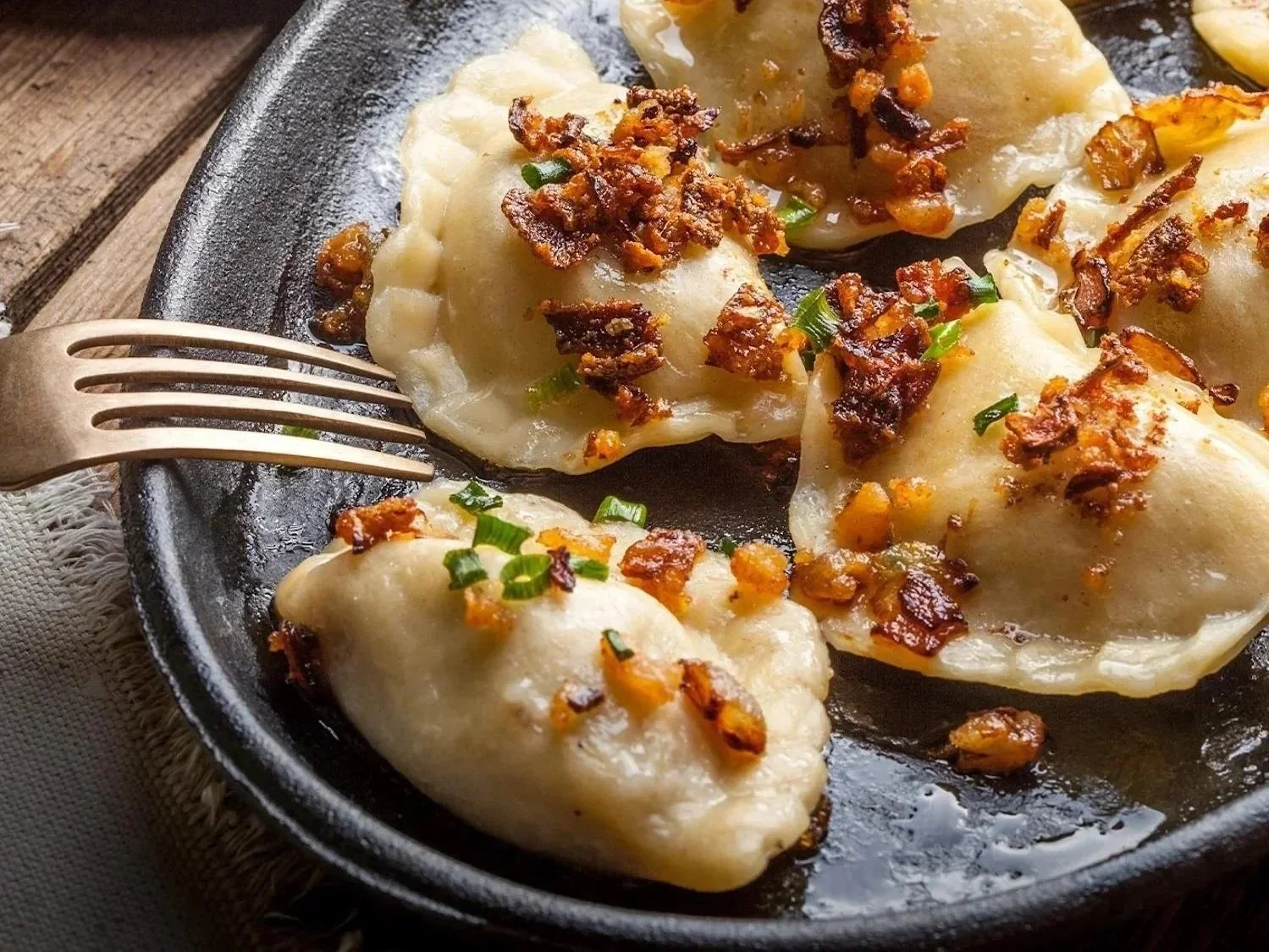
Pierogi z kapustą i grzybami — cabbage and mushroom dumplings
These dumplings are filled with sauerkraut and mushrooms and are especially associated with the meat-free Christmas Eve meal. They can be boiled and served simply, or gently fried after cooking.
Kapusta z grochem — cabbage with peas
This hearty dish is particularly relevant to the culinary traditions of Mazovia. Cabbage with peas, cabbage with mushrooms and mushroom-based soups are among the regional Christmas Eve foods.
Kluski z makiem — noodles with poppy seeds
Poppy seeds are an important ingredient in traditional Christmas cooking. Noodles with poppy seeds and honey were part of the historic Warsaw Christmas Eve menu, making this an especially interesting connection to the city's culinary past.
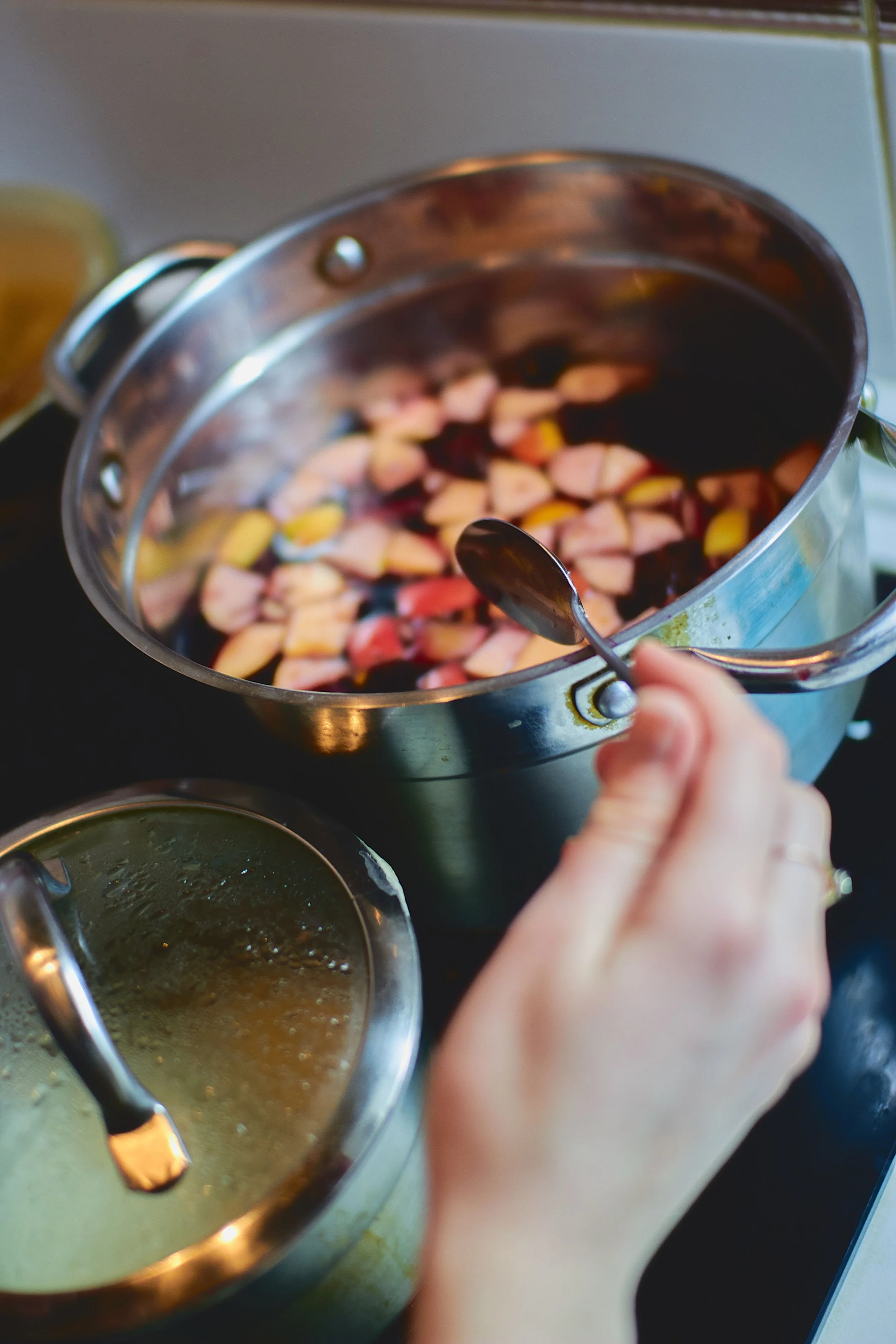
Kompot z suszu — dried-fruit compote
Made by simmering dried fruit such as apples, pears and plums in water, this sweet, fragrant drink traditionally accompanies the Christmas Eve meal. Its distinctive flavour is closely associated with the holiday season.
These dishes are not all exclusive to Warsaw, but together they give a good picture of the city's Christmas table. The Warsaw Tourism Office identifies carp, herring, beetroot, forest mushrooms, sauerkraut and dried-fruit compote among the foods traditionally served at Wigilia.
What makes old Warsaw's Christmas menu different?
Historical accounts reveal some interesting local details. According to Professor Małgorzata Karpińska, a historian at the University of Warsaw, nineteenth-century Varsovians particularly favoured fish such as pike, perch, tench and carp. Honey was an important ingredient, and poppy-seed noodles and fruit compotes were also prepared.
The historian also notes a striking regional distinction: kutia, a sweet dish made with grains, poppy seeds, honey and nuts, was not typical of the nineteenth-century Warsaw Christmas Eve table. It was more associated with eastern Polish traditions.
In those days, Christmas dishes also reflected a family's wealth. Historic Warsaw cookbooks included more elaborate recipes such as almond soup, kale with caramelised chestnuts, and rice with saffron and chocolate. Christmas food was therefore shaped by social class as well as regional custom.
Christmas cakes and sweets
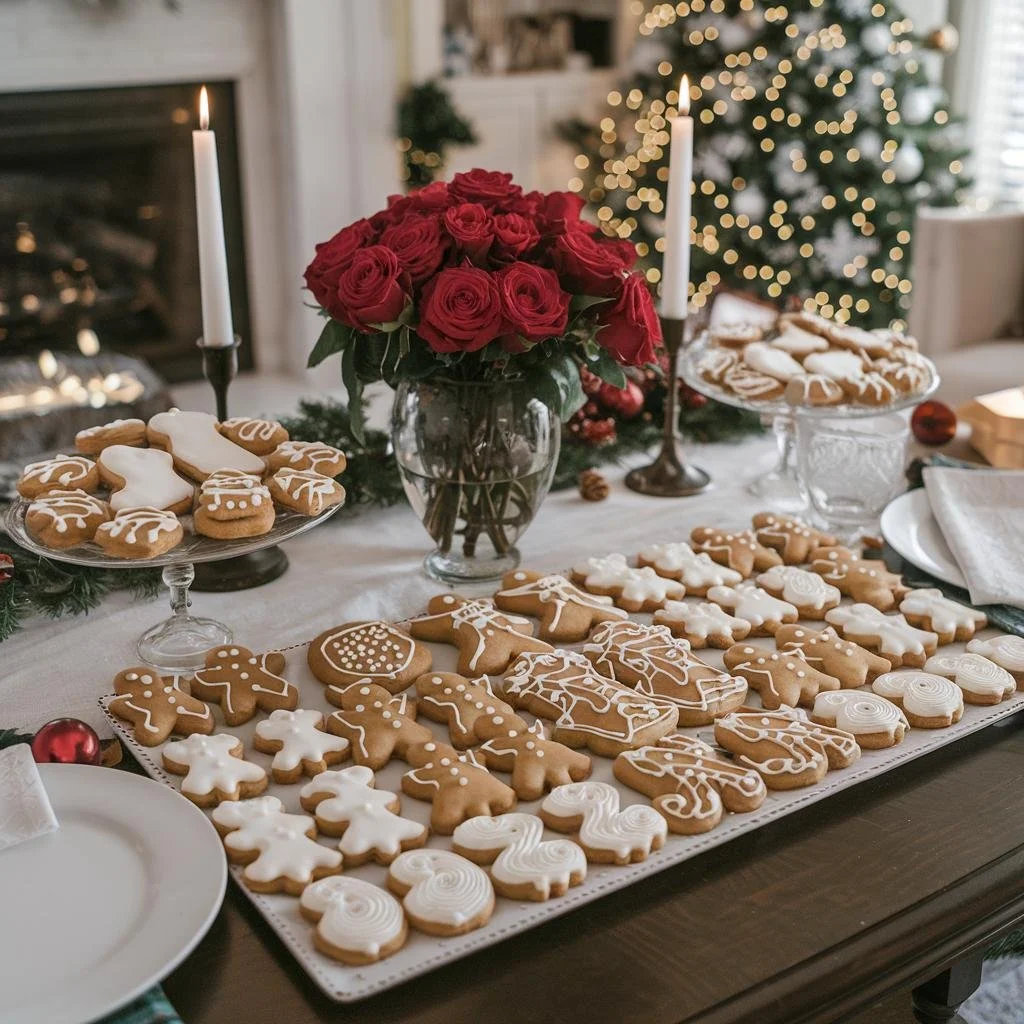
Christmas baking is another important tradition. A common feature of Polish Christmas tables is makowiec, a rolled cake filled with sweet poppy-seed paste. Gingerbread, cheesecake and other homemade cakes may also be served, depending on the family.
In Warsaw, preparing sweets can be as much about family as food. Recipes are often passed between generations, and some families begin baking days in advance. Gingerbread figures, wrapped sweets and apples were also historically used to decorate Christmas trees, alongside glass baubles.
3. Christmas Eve traditions beyond dinner
The meal is only one part of Wigilia. Several other customs give the evening its special character.
Carols and Christmas songs. Families may sing traditional Polish Christmas carols, known as kolędy, after dinner. Some are religious hymns, while others have joyful melodies that children learn at school or church.
Opening presents. Gifts are commonly opened on Christmas Eve, often after dinner. In Warsaw, as elsewhere in Poland, the person said to bring the presents varies by family: it may be described as Święty Mikołaj (Saint Nicholas), Gwiazdor or another Christmas figure.
Midnight Mass. For practising Catholics, Pasterka, the traditional Midnight Mass, is a major part of Christmas Eve. People attend churches across Warsaw to celebrate the birth of Christ. Others mark the evening in a more secular way, gathering for dinner and spending time with their families.
There is also an old Polish belief that animals can speak at midnight on Christmas Eve. Traditionally, children might wonder what their pets would say if they could talk. Like many Christmas legends, it is primarily a folk belief rather than a custom everyone observes today.
4. Christmas Day and the Second Day of Christmas
25 December — Christmas Day
Christmas Day, known as Boże Narodzenie, is generally quieter than the busy days before Christmas. Many families spend the day at home, attend church and share another festive meal.
Unlike Wigilia, when the traditional dishes are meat-free apart from fish, the food on 25 December can include roasted meats, cold cuts, sausages and other substantial dishes. The menu depends on family preferences, but leftovers from Christmas Eve often share the table with freshly prepared food.
For some Varsovians, the day is devoted almost entirely to relaxing with close family. Others visit relatives or friends, particularly if they have several family gatherings to attend over the holidays.
26 December — The Second Day of Christmas
The second day, known in Polish as drugi dzień Świąt, is also a public holiday and traditionally commemorates Saint Stephen, the first Catholic martyr.
It is often another day for visiting relatives, eating together and enjoying the festive atmosphere. Churches continue to celebrate the Christmas season, and nativity scenes are popular with visitors.
Historical Warsaw had some unusual customs connected with this day. Culture.pl records an old tradition of throwing oats towards priests during Saint Stephen's Day services, with the practice eventually prohibited. This is a reminder that Christmas in old Warsaw was not simply a quieter version of the present-day holiday: it included customs that would seem surprising today.
5. What do people wear for Christmas in Warsaw?
Unlike some regions of Poland that are known for distinctive folk costumes, modern Warsaw does not have a special Christmas outfit worn by ordinary residents. The clothing is generally similar to that of other large European cities, with a difference between family celebrations indoors and festive activities outdoors.
At home, people may choose smart or festive clothes for Christmas Eve dinner. Some families dress quite formally, while others prefer comfortable everyday clothing. There is no single rule about colours or a particular garment.
For outdoor celebrations, warmth is essential. December in Warsaw is often cold, so people commonly wear winter coats, scarves, hats, gloves and warm shoes. Those visiting a Warsaw Christmas market or walking along Krakowskie Przedmieście tend to dress for the weather rather than for a formal occasion.
Historic Warsaw had more elaborate forms of festive dress in certain settings. Culture.pl describes groups of carol singers who, in earlier centuries, sometimes dressed as unusual characters or historical figures, including King Jan III Sobieski. These were costumes associated with particular performances and customs, not the everyday clothing of Warsaw families.
6. Christmas decorations: Trees, wafers and old Warsaw traditions
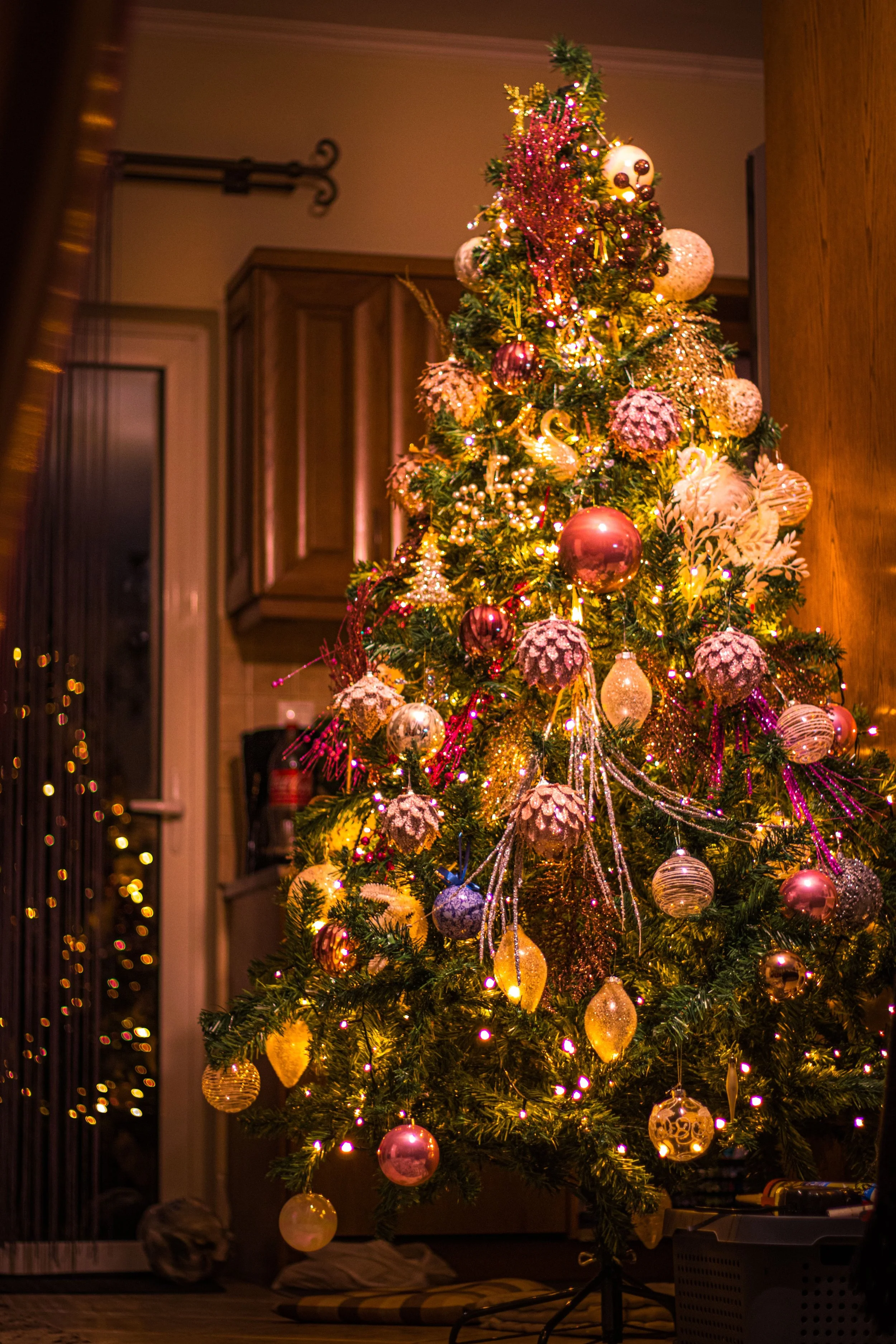
The Christmas tree is now a familiar feature of homes throughout Warsaw, but its history in the city is particularly interesting.
Christmas trees began appearing in Warsaw around 1798–1799. The fashion spread through communities influenced by German customs and eventually became popular across the city. The earliest trees were not necessarily placed upright on the floor as they are today; some were hung from the ceiling. Warsaw adopted the practice earlier than the surrounding Mazovian countryside.
Another distinctive historical decoration was a star made from Christmas wafer. Some Varsovian households hung a white wafer star from the ceiling above the Christmas Eve table, sometimes using strands of tinsel. It was both a decoration and a reminder of the religious meaning of the celebration.
Today, trees are more often decorated with electric lights, baubles, ribbons and handmade ornaments, but the tradition of gathering around the decorated tree remains an important part of Christmas at home.
7. Christmas in the streets of Warsaw
Christmas in Warsaw is not only a family celebration. The city itself becomes part of the experience.
The Old Town and Castle Square
The historic Old Town is one of the most atmospheric places for a winter walk. Its colourful façades, narrow streets and historic squares create a festive backdrop for Christmas decorations and seasonal events. Castle Square, beside the Royal Castle, is an especially recognisable setting for the city's large Christmas tree.
For the 2026–2027 winter season, Warsaw's city information service says the illumination will feature new decorations inspired by the capital's legends and historical figures. Plans include a 21-metre Christmas tree at Castle Square and figures such as the Warsaw Basilisk, a legendary creature associated with the city's folklore.
The Christmas market
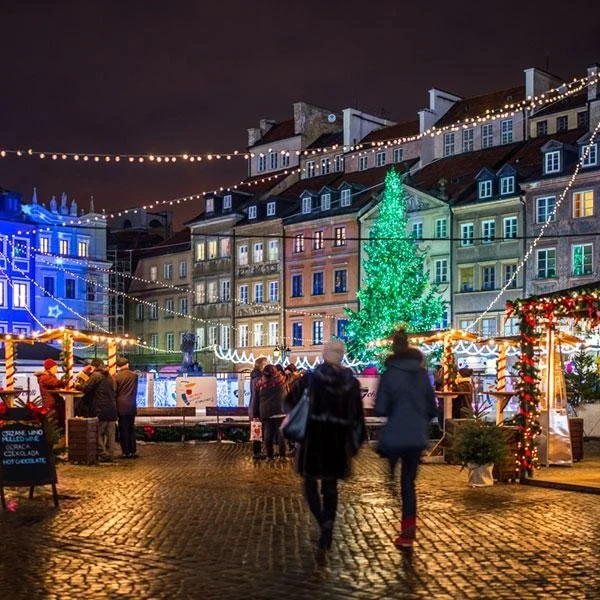
Seasonal markets offer another way to experience the city's festive atmosphere. Stalls typically sell decorations, crafts, sweets, hot drinks and winter snacks. Visitors may encounter Polish foods alongside popular international market treats, so the market menu should not be mistaken for a complete picture of traditional Warsaw Christmas cooking.
For many people, the attraction is as much the atmosphere as the shopping: strolling through the illuminated streets, meeting friends and enjoying something warm outdoors.
A city with a particular Christmas history
Warsaw has long combined rural influences with urban life. In the nineteenth century, it was a busy city where merchants brought in seasonal goods, households lived in crowded tenement buildings and traditions developed to suit city living.
One example was the custom of ewangeliczki: students who, in earlier times, visited homes on Christmas Eve to read the Gospel aloud in exchange for payment. Another was the use of decorative wafer ornaments. These practices reveal how Christmas in Warsaw developed its own urban character rather than simply reproducing customs from the countryside.
8. How Warsaw's Christmas traditions are changing
Christmas in contemporary Warsaw is not experienced identically by everyone. Some families observe the religious customs closely, preparing a full Wigilia dinner and attending Midnight Mass. Others emphasise the food, gift-giving and time spent together. Some households combine traditional Polish dishes with recipes from different cultural backgrounds.
This variety is part of the city's identity. Warsaw has historically been a meeting place for different nationalities, religions and social groups. Today, its Christmas season includes domestic family celebrations, public decorations, seasonal shopping and events in the city centre.
Despite these changes, some elements remain remarkably persistent: gathering around a decorated tree, exchanging good wishes, preparing special food and finding time for family.
Conclusion: What makes Christmas in Warsaw special?
Christmas in Warsaw is best understood as a blend of widely shared Polish customs and the capital's own urban history.
The first star, the sharing of opłatek, a meat-free Christmas Eve meal and the tradition of twelve dishes connect Warsaw with the rest of Poland. The city's culinary history adds its own details, including a historic love of fish, honey and poppy-seed noodles. Its past also includes ceiling-hung Christmas trees, wafer-star decorations and unusual customs connected with students and carol singers.
Meanwhile, the illuminated streets, Christmas market, Old Town and Castle Square give the holiday a distinctly urban setting.
Perhaps the most important thing to understand is that, for many Varsovians, Christmas is not primarily about grand public celebrations. It is about coming home, sitting down together, sharing food and good wishes, and keeping family traditions alive. In this sense, Warsaw's Christmas is both deeply rooted in history and very much a part of modern city life.