
Żabka: Poland's little green convenience-store phenomenon
If you spend any time in Poland, particularly in Warsaw, you'll quickly notice something extraordinary: Żabka shops are practically everywhere.
They are one of the most recognisable features of modern Polish urban life. You'll find them on residential streets, at metro stations, near offices, next to universities, in shopping areas and sometimes just a few doors apart.
Żabka (pronounced roughly ZHAP-kah) means "little frog" in Polish. Its green logo is almost impossible to miss.
But Żabka is much more than a chain of corner shops. It's become something of a Polish cultural phenomenon.
1. What exactly is Żabka?
Żabka is a Polish convenience-store chain, founded in 1998 in Poland.
Think of it as a combination of:
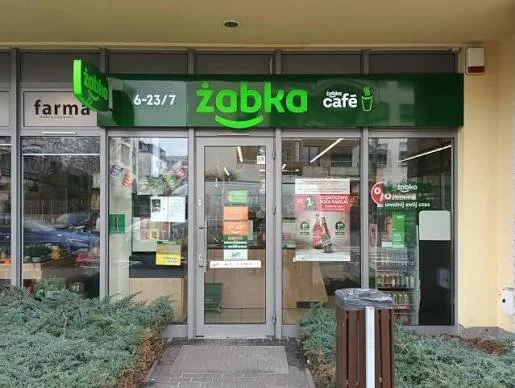
A British Tesco Express or Sainsbury's Local.
An American 7-Eleven.
A neighbourhood corner shop.
A small takeaway café.
The key difference is its sheer density and the range of services it offers.
Żabka's basic proposition is simple: you should be able to get everyday essentials, food and a quick meal within a few minutes' walk, almost wherever you are.
Most shops are relatively small, conveniently located and designed for quick visits rather than large weekly grocery shopping.
2. How many Żabka shops are there?
As of September 2026, there are more than 13,000 Żabka shops in Poland, and 1,161 in Warsaw.
The Polish network figure is reported by Żabka Group. The Warsaw figure comes from an independent store-location dataset.
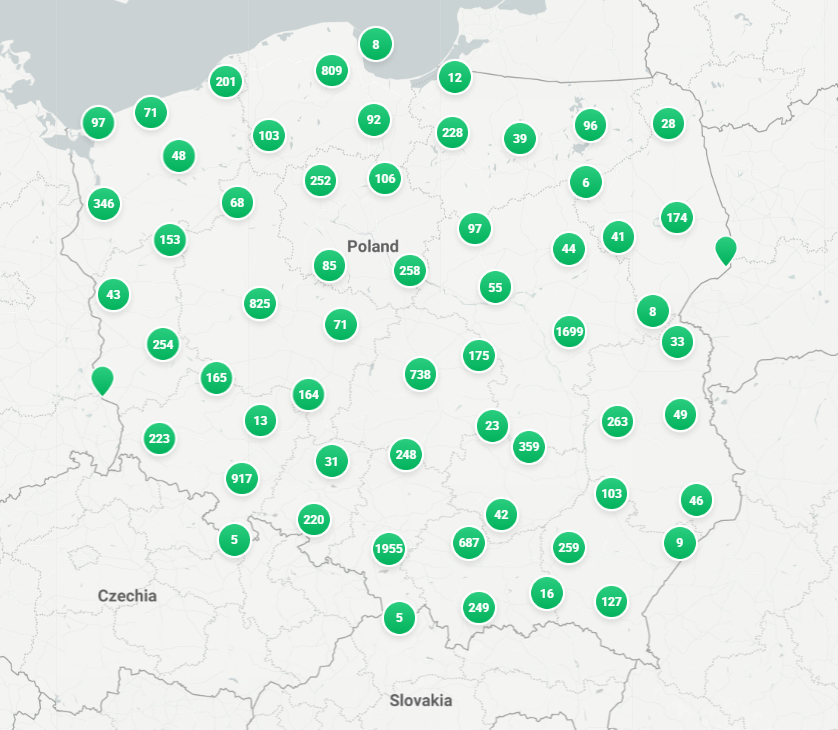
Some context makes these numbers even more impressive:
Żabka has not only more than 13,000 stores in Poland alone, but it also operates more than 300 stores in Romania.
It opened more than 1,400 stores across Poland and Romania over the preceding 12 months.
Around 18 million people live within 500 metres of a Żabka.
Warsaw is particularly saturated. With approximately 1,161 shops, there is roughly one Żabka for every 1,600 residents. In many neighbourhoods, you'll encounter several within a few minutes' walk.
For comparison, the company is aiming for approximately 16,000 stores across Poland and Romania by the end of 2028.
3. What can you actually buy there?
This is where Żabka gets interesting. It is not simply a place to buy milk, bread and chocolate.
Here's a breakdown.
A. Food and groceries
Pretty much all the everyday essentials:
Milk, butter, cheese, yoghurt.
Bread, rolls and pastries.
Eggs.
Fruit and vegetables (a relatively small selection).
Ham, sausages and other cold cuts.
Pasta, rice, sauces and tinned food.
Frozen products.
Cooking essentials and household basics.
You can get enough for a quick breakfast or dinner, but you wouldn't normally do your entire weekly grocery shopping there.
B. Ready-to-eat meals
This is a major part of the concept.
You can find:
Sandwiches and baguettes.
Wraps and tortillas.
Salads.
Sushi.
Ready-made pasta dishes.
Pierogi (Polish dumplings).
Other microwaveable meals.
Snacks and desserts.
It's particularly useful for office workers, students and people who don't want to cook.
C. Hot food – Żabka Café
This is probably the most iconic part of the experience.
Typical offerings include:
Hot dogs: probably the signature Żabka food.
Freshly prepared coffee.
Toasted sandwiches and panini.
Pizza-style snacks.
Nuggets and fries in selected locations.
Other hot snacks and pastries.
The hot dog is almost a Polish institution at this point. You'll see people popping in specifically to get one.
D. Drinks and snacks
A huge selection of:
Coca-Cola, Pepsi and other soft drinks.
Energy drinks.
Water and flavoured water.
Juices.
Beer and, in some shops, other alcoholic drinks.
Crisps, chocolate, sweets and biscuits.
Ice cream.
Protein bars and convenience snacks.
E. Everyday non-food items
You can also buy:
Toilet paper and tissues.
Shampoo and shower gel.
Toothpaste and toothbrushes.
Deodorant.
Washing-up liquid and basic cleaning products.
Batteries.
Phone accessories in some locations.
Pet food.
Essentially, things you might suddenly realize you need at 9 pm.
4. It's also a service centre, not just a shop
Another reason Żabka has become so successful is the range of services it offers.
Depending on the location, you can:
Collect or send parcels.
Buy Lotto lottery tickets.
Pay for certain services.
Withdraw cash.
Use self-checkout.
Order food and groceries through delivery services.
Buy prepaid phone refills.
Some stores are also open particularly late, and certain locations operate 24 hours.
There are even experimental formats:
Żabka Nano – small autonomous shops where you enter using an app or other access method, pick up products and leave. The technology handles payment automatically.
Żabka Jush! – a rapid grocery-delivery service associated with the wider Żabka ecosystem.
Żappka – the company's mobile loyalty app, with promotions, discounts, points and personalized offers.
The app is a big deal: Żabka reports millions of users, and special offers through it are a regular part of shopping.
5. Why are there so many? What's the business model?
This is arguably the most interesting part of the story.
Żabka has grown using a franchise model.
Rather than owning and directly operating every shop, the company works with thousands of independent franchisees.
The basic arrangement is:
Żabka provides the brand, shop concept, technology and much of the supply-chain infrastructure.
A franchisee operates an individual store.
Żabka's central organisation manages distribution, marketing, product development and the overall business model.
The franchisee earns money by running the shop under the Żabka brand.
The company reports more than 11,000 franchisees in its network.
This model allows it to expand much faster than a conventional retailer operating every shop itself.
Why does it work so well?
There are several reasons:
1. Location, location, location
Żabka puts stores where people actually live and move around. It doesn't necessarily need a large parking lot or a huge retail space.
2. Convenience beats price
People don't necessarily go to Żabka because it's the cheapest place to shop. They go because it's close, quick, and convenient.
A larger supermarket might have cheaper groceries, but it could take 20 minutes to walk there, shop, and return. Żabka might be two minutes away.
3. Long opening hours
Many locations open early and close late, making them useful outside normal supermarket hours.
4. Small shops, frequent purchases
Instead of one big weekly shopping trip, customers make lots of small purchases throughout the week.
5. Strong brand recognition
The green frog is everywhere. People know exactly what to expect when they walk in.
6. Why is Żabka such a phenomenon in Warsaw?
Warsaw is probably the perfect environment for the Żabka concept.
Think about the typical Warsaw lifestyle:
People live in apartment buildings.
Many commute by metro, tram or bus.
There are large concentrations of office workers.
Students live in densely populated neighbourhoods.
People often buy food on their way home rather than driving to a supermarket.
There is substantial demand for quick meals and coffee.
Żabka fits into all of these situations.
In neighborhoods such as Śródmieście, Wola, Mokotów, and Praga, the shops are part of the everyday urban landscape.
There's also an interesting cultural aspect: Żabka has become a kind of informal extension of people's kitchens.
Need a bottle of milk? Żabka.
Forgot breakfast? Żabka.
Want a coffee before work? Żabka.
Need a hot dog after a night out? Żabka.
Want something to eat on Sunday? Żabka.
One important Polish peculiarity is that large supermarkets are generally closed on Sundays because of Poland's retail-trading restrictions. Many Żabka shops nevertheless open on Sundays under the applicable statutory exceptions, including the franchisee-owner arrangement. Opening hours vary by individual store.
This makes Żabka particularly useful on Sundays.
7. Is it cheap?
Not particularly.
Żabka is generally more expensive than large supermarkets such as:
Biedronka.
Lidl.
Auchan.
But that's the trade-off.
You're paying a little extra for convenience, location, opening hours and ready-to-eat food.
There are frequent promotions, including multi-buy offers and discounts through Żappka. So it's worth checking the app if you shop there regularly.
One final observation: If you're visiting Warsaw, don't think of Żabka as somewhere you go for a proper supermarket shop. Think of it as the place that solves all those little everyday problems, from breakfast to a late-night snack.
That's the secret behind the little green frog.